
How to Detect Water Damage in Your Basement: 7 Warning Signs
Jump to Section:
Your basement might be trying to tell you something, and honestly, it’s not always subtle about it. As a restoration company serving the South Shore for years, we’ve seen our fair share of basement water damage situations. Some homeowners catch the signs early (smart move!), while others end up dealing with much bigger problems that could have been prevented with early detection.
The good news? Most basement water damage gives you plenty of warning before it becomes a major headache. If you’re dealing with water damage issues, our team at RestoreNow can help coordinate the entire process from emergency response through complete restoration.
Living in Massachusetts means dealing with everything from heavy spring rains to the occasional hurricane, plus those lovely winter freeze-thaw cycles that can wreak havoc on your foundation. Most homes around here have basements, and most of those basements have sump pumps working overtime. But even the best sump pump can’t save you if you’re not catching the early warning signs.
Why Basements Are Water Damage Magnets
Let’s be real for a second. Basements are basically asking for trouble when it comes to water. They’re underground (obviously), surrounded by soil that holds moisture, and they’re often the first place water goes when it’s looking for somewhere to hang out in your house.
In our area, we see basement water damage from all sorts of culprits: heavy rains that overwhelm drainage systems, sump pump failures during the worst possible moment, burst pipes in winter, water heaters that fail and flood basements, and sometimes just good old-fashioned foundation settling that creates new pathways for water to sneak in.
Common Water Entry Points
Windows
Leaky seals & frames
Foundation
Cracks & settling
Pipes
Bursts & leaks
Sump Pump
Failures & overflow
Water Heater
Failures & floods
7 Warning Signs You’ve Got Basement Water Damage
1. That Musty Smell That Won’t Quit
You know the one. It hits you the moment you open the basement door, like your basement decided to become a cave. This isn’t just “basement smell,” it’s your first red flag that moisture is hanging around where it shouldn’t be.
This musty odor often comes from mold and mildew that are having a party in damp conditions. Even if you can’t see any obvious water, that smell is telling you moisture is lurking somewhere, whether it’s in your walls, under your flooring, or in those hard-to-reach corners.
2. Visible Water Stains and Discoloration
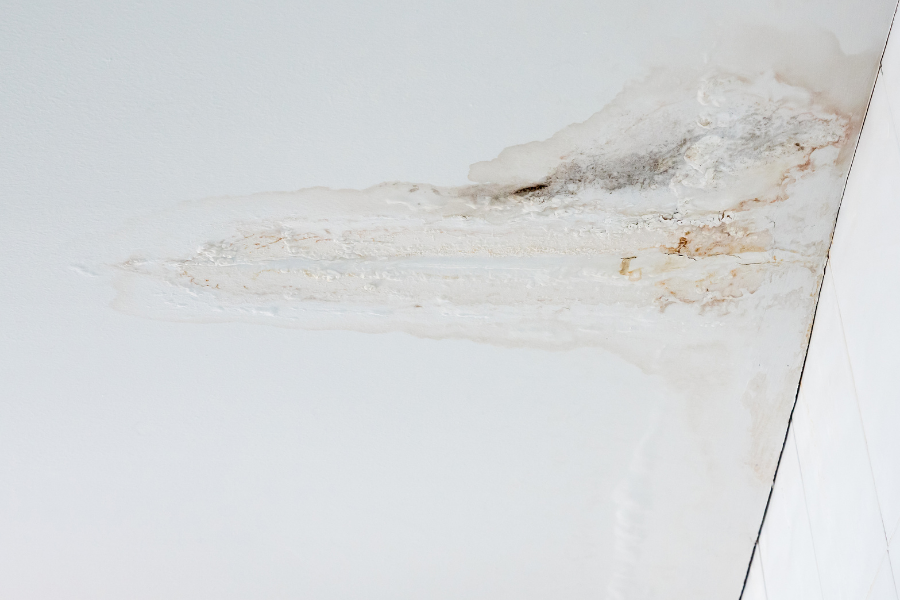
Water stains like these on basement ceilings are clear indicators of moisture intrusion that needs immediate attention.
Water stains are like breadcrumbs leading you to the source of your problem. Look for:
- Brown or yellow stains on walls or ceiling
- White chalky residue (efflorescence) on concrete walls
- Dark spots or streaks that seem to appear out of nowhere
- Discoloration around windows, pipes, or where the wall meets the floor
These stains are your basement’s way of keeping a record of every time water decides to visit. Even old stains matter because they show you where water has been, and where it’s likely to return.
3. Peeling Paint and Wallpaper
When moisture gets behind paint or wallpaper, it doesn’t just sit there politely. It starts pushing things around, causing paint to bubble, crack, or peel away from the surface. Wallpaper might start curling at the edges or developing those telltale bubbles that scream “water damage.”
This is especially common around basement windows, near the foundation, or anywhere pipes run through walls. If your basement looks like it’s molting, it’s time to investigate.
Ready to address water damage before it gets worse?
Our restoration experts are here to help coordinate emergency response and handle all the repairs that follow.
4. Warped or Damaged Flooring
Your basement floor is basically ground zero for water damage detection. Here’s what to watch for:
| Flooring Type | Warning Signs |
|---|---|
| Laminate/Vinyl | Buckling, curling edges, soft/spongy spots |
| Carpet | Wet spots, persistent dampness, never fully dries |
| Concrete | Cracks, crumbling, always feels damp |
| Wood | Cupping, crowning, gaps between boards |
Flooring damage often shows up first because, well, gravity. Water flows down, and your floor is there to catch it all.
5. Increased Humidity and Condensation
If your basement feels like a tropical vacation (and not in a good way), you’ve got a humidity problem. Excessive moisture in the air leads to condensation on pipes, windows, and any cold surfaces.
You might notice:
- Foggy or sweaty windows
- Water droplets on pipes or ductwork
- That clammy feeling when you’re down there
- Items stored in the basement feeling damp or developing mildew
A simple humidity gauge can help you monitor this. According to the EPA, basements should ideally stay below 50% humidity to prevent mold growth and other moisture related issues.
6. Mold and Mildew Growth
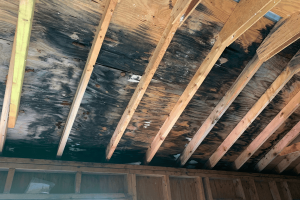
Visible mold growth like this indicates sustained moisture conditions that require professional assessment and coordination with specialized contractors.
This one’s pretty obvious, but it’s worth mentioning because some homeowners think a little mold is no big deal. Spoiler alert: it is.
Look for:
- Black, green, or white fuzzy growth on walls, ceiling, or stored items
- Slimy patches in corners or around pipes
- Discoloration that seems to be spreading
- Any surface that looks like it’s growing something it shouldn’t be
We coordinate with licensed environmental partners for any necessary mold testing or remediation, and then our team takes over for the structural repairs and restoration work that follow.
7. Foundation Cracks and Structural Issues
Not all foundation cracks spell disaster, but they’re definitely worth monitoring. Water has a sneaky way of finding even the tiniest openings and making them bigger over time.
Keep an eye on:
- New cracks in foundation walls
- Existing cracks that seem to be growing
- Stair-step cracks in block foundations
- Horizontal cracks (these are more serious)
- Areas where water seems to seep through
Small hairline cracks might be normal settling, but any crack that’s allowing water through needs attention.
When to Take Action: A Quick Decision Guide
🚨 Call for help immediately if you notice:
- Standing water anywhere in your basement
- Multiple warning signs appearing at once
- Electrical outlets or appliances near wet areas
- Structural damage like sagging or bowing walls
- Strong musty odors that are getting worse
⚠️ Monitor closely and plan for assessment:
- Single warning signs that aren’t getting worse
- Minor stains or discoloration
- Slight humidity increases during rainy periods
- Small foundation cracks with no active leaking
Prevention Tips for South Shore Homeowners
Since we’re in this together (literally, we’re neighbors!), here are some practical prevention strategies that work well in our climate:
Seasonal maintenance: Clean gutters and downspouts regularly, especially before heavy rain seasons. Check your sump pump before spring rains and make sure it’s working properly. The American Red Cross recommends testing sump pumps monthly during peak seasons.
Proper grading: Make sure water flows away from your foundation, not toward it. This might seem obvious, but you’d be surprised how many water damage calls we get that could have been prevented with proper drainage.
Regular inspections: Walk through your basement monthly, especially during and after heavy rains or snowmelt. Look for new stains, smells, or any changes from your baseline normal.
The Bottom Line: Trust Your Instincts
Here’s the thing about basement water damage: your gut feeling is usually right. If something seems off, it probably is. We’ve never had a homeowner call us and say, “I wish I had waited longer before addressing this water problem.”
Early detection and quick action can save you thousands of dollars and weeks of disruption. Water damage rarely gets better on its own (shocking, we know), but it definitely gets worse and more expensive to fix.
Our team has been helping South Shore homeowners navigate water damage restoration for years, and we’ve seen how much easier the process is when problems are caught early. We coordinate with trusted partners for emergency water extraction and drying, then handle all the structural repairs and restoration work that follows.
Frequently Asked Questions
What are the most common causes of basement water damage I should watch for in Massachusetts?
In our South Shore climate, we see basement water damage most often from sump pump failures during heavy spring rains, burst pipes during freeze-thaw cycles, foundation settling that creates new entry points, and overwhelmed drainage systems during storms. The combination of older foundations and our seasonal weather patterns makes these seven warning signs especially important to monitor.
If I notice that musty basement smell, how quickly does it typically lead to visible mold growth?
That musty odor usually indicates moisture has been present for a while, and visible mold can appear within 24-48 hours in the right conditions. In basements with poor ventilation and higher humidity (common in our area), this timeline can be even shorter. The smell is often your earliest warning that conditions are right for mold development.
Should I be more concerned about foundation cracks during certain times of the year?
Absolutely. Monitor foundation cracks most closely during spring snowmelt and after heavy rains, when groundwater levels are highest. Also watch during winter freeze-thaw cycles, as expanding ice can widen existing cracks. Small cracks that only leak during these peak times still need attention before they become year-round problems.
How can I tell if my basement humidity is related to a specific water damage issue or just general moisture?
Look for patterns in your humidity spikes. If humidity increases dramatically during or after rain, you likely have water intrusion. If it’s consistently high regardless of weather, you might have ongoing moisture from poor ventilation, groundwater seepage, or hidden leaks. Using a humidity gauge for a few weeks while noting weather patterns will help you identify the source.
Need help with basement water damage in the South Shore area? Our restoration team is ready to coordinate emergency response and handle all the repairs that follow. We make the process easier by managing everything from documentation to final restoration.


