Five Mistakes People Make After Discovering Water Damage
Jump To:
Water on the floor, dripping from the ceiling, pooling in the basement. Finding it is a gut-punch moment, and your first move might be to grab a mop or just stare hoping it stops. (It won’t.) The team at RestoreNow has worked on hundreds of water damage restoration projects across the South Shore and Southeastern Massachusetts, and the same mistakes come up again and again.
Knowing what not to do can save you real money, real time, and a whole lot of stress. Here are five common errors that make water damage worse or trip up your insurance claim.

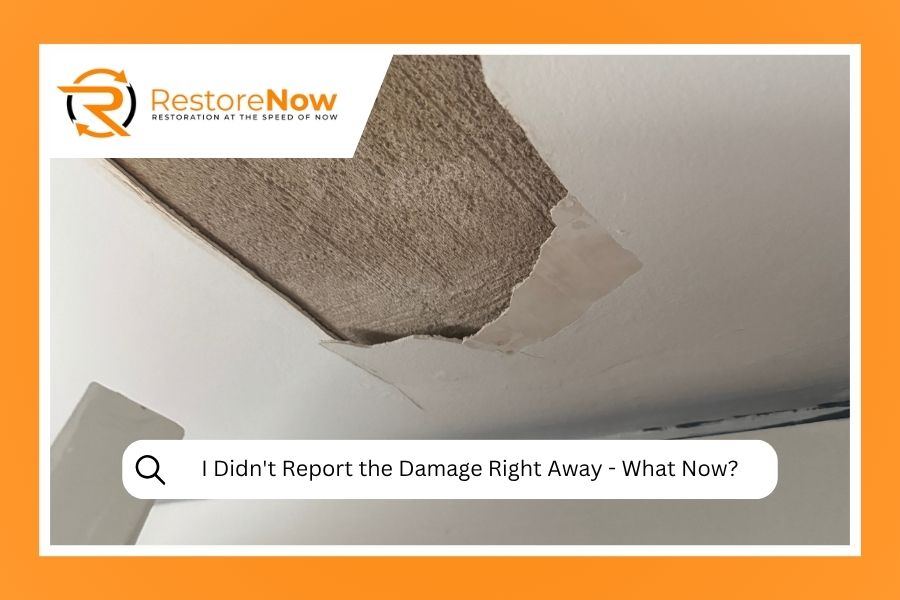
Ceiling leaks go from minor drip to major problem faster than most people think.
Mistake #1: Waiting Too Long to Act
The biggest mistake? Waiting. Water damage gets worse by the hour. Within 24 to 48 hours, moisture soaks into drywall, insulation, and wood framing. Mold can start growing in as little as one day, per the EPA’s mold and moisture guide.
We’ve seen homeowners lose entire rooms of flooring because they waited a weekend to “see if it dried out.” It didn’t. The faster you get help, the more of your home you can save.
If you spot a leak, shut off the water source. Move valuables out of the wet area and call for help right away, because even a small drip can hide serious problems behind the walls. Our guide on what to do first after finding water damage walks you through the full process.
Spotted Water Damage? Don’t Wait.
RestoreNow offers 24/7 emergency response across the South Shore. The sooner you call, the more we can save.
Mistake #2: Trying to Do It All Yourself
We love a good DIY project. But water damage cleanup isn’t the place for it. Renting a carpet cleaner and running a box fan might feel like progress. The truth is, surface drying rarely reaches moisture that has soaked into subflooring, wall cavities, and insulation.
That’s why RestoreNow works with trusted licensed partners for emergency water extraction and drying. Once mitigation is done, our team handles the structural restoration and rebuild. We replace damaged drywall, repair subflooring, and make sure everything is solid before we call it finished.
Think of it this way: mopping up the puddle is step one. Fixing what the water ruined behind the walls? That’s the real job.
Mistake #3: Not Documenting the Damage
This one catches people off guard. When you find a flooded basement or a burst pipe, your first thought isn’t “let me grab my phone.” But it should be. Your insurance claim relies on solid proof.
Photos, videos, written notes about when you found the damage, a list of what got hit. Without it, your adjuster has less to work with, and your payout could drop. The Insurance Information Institute says keeping a home inventory is a smart move, since it makes filing a claim much easier if damage does happen.
Your Water Damage Documentation Checklist
| What to Capture | Why It Helps |
|---|---|
| Wide-angle photos of each affected room | Shows the full scope for adjusters |
| Close-ups of damaged drywall, flooring, trim | Proves which materials need replacing |
| Video walkthrough with narration | Catches details that photos miss |
| Date and time you found the damage | Sets the timeline for your claim |
| List of damaged items with rough values | Supports your contents claim |
At RestoreNow, we help take that weight off your plate. We document the damage, prepare clear estimates, and give your insurance company the info they need to move things forward. For a deeper look at coverage, read our post on whether homeowners insurance covers water damage.

A proper check finds damage behind walls, not just on the surface.
Mistake #4: Ignoring Hidden Moisture
Here’s what a lot of people miss: the water you can see is only part of the story. Moisture travels. It wicks up drywall, slips into wall cavities, and pools under flooring. The puddle on the floor might be a small fraction of the real problem.
Pros use moisture meters and heat cameras to map where water has gone. Skip this step, and you might dry the top layer, feel fine, then find mold behind your baseboards two months later.
If you’re worried about hidden moisture, our post on how to detect water damage in your basement covers the warning signs. And if mold becomes a concern, RestoreNow works with licensed partners for testing and cleanup, then handles the repairs after mold removal.
Mistake #5: Assuming Insurance Will Handle It
A lot of homeowners expect their insurance company to look at the damage, approve the repairs, and cut a check. Simple, right? Not quite. Policies vary, and the fine print matters a lot.
Did the damage come from a sudden event, like a burst pipe? Usually covered. Was it from a slow leak you didn’t notice for weeks or months? Often excluded. How you file matters too. Vague reports, missing photos, and late filing all hurt your payout, sometimes badly.
That’s where having a restoration company in your corner helps. RestoreNow knows what adjusters look for. We build clear scopes of work, prepare thorough estimates, and make sure the paperwork matches the real repairs needed.
We take the guesswork out of the process so you can focus on getting your home back to normal. For South Shore homeowners, our Plymouth water damage restoration page has more on how we serve the area.
Don’t Let a Small Problem Become a Big One
Whether it’s a dripping ceiling or a flooded basement, RestoreNow is here to help. We manage the full process, from emergency work with our licensed partners to full structural repair.
Frequently Asked Questions
How fast should I call a restoration company after finding water damage?
Right away. Water damage gets worse every hour. Mold can start growing within 24 to 48 hours, and materials like drywall and wood soak up moisture fast. The sooner a pro gets involved, the more of your home can be saved.
Can I just dry out water damage myself with fans?
Box fans can help with surface moisture, but they won’t reach water inside wall cavities, subflooring, or insulation. Pro-grade tools pull moisture from places you can’t see or reach. Skipping that step often leads to mold and more damage later.
What if my insurance company denies my water damage claim?
Denials often come from gaps in your proof or policy rules you didn’t know about. Review your policy and think about talking to a public adjuster. A restoration company like RestoreNow can also help by giving adjusters the damage reports and cost breakdowns they need to review the claim fairly.
Does water damage always cause mold?
Not always, but the risk goes up fast if moisture stays longer than 24 to 48 hours. Mold spores are already in most homes and just need a wet surface to grow. Quick drying and proper cleanup are the best way to keep mold from becoming a second problem.