From Claim to Completion: What a Smooth Process Actually Looks Like
What a Smooth Restoration Claim Process Looks Like
The First 48 Hours: Where Smooth Starts
Why Documentation Makes or Breaks Your Claim
The Step by Step Path From Claim to Completion
What Slows a Claim Down (And How We Keep It Moving)
Frequently Asked Questions
What a Smooth Restoration Claim Process Looks Like
A smooth restoration claim process means the damage gets documented right the first time, your estimate matches the repairs your home actually needs, and one team stays with you from the first call through the final walkthrough. At RestoreNow, we handle that full arc for homeowners across the South Shore and Southeastern Massachusetts. No guesswork, no gaps between crews.
Here is the honest truth. Most homeowners have never filed a property damage claim before, and the first time usually happens on their worst day. The last thing anyone wants is a confusing paper trail on top of it.

The first step is always the same: document everything before repairs begin. Good records set the tone for the whole claim.
The First 48 Hours: Where Smooth Starts
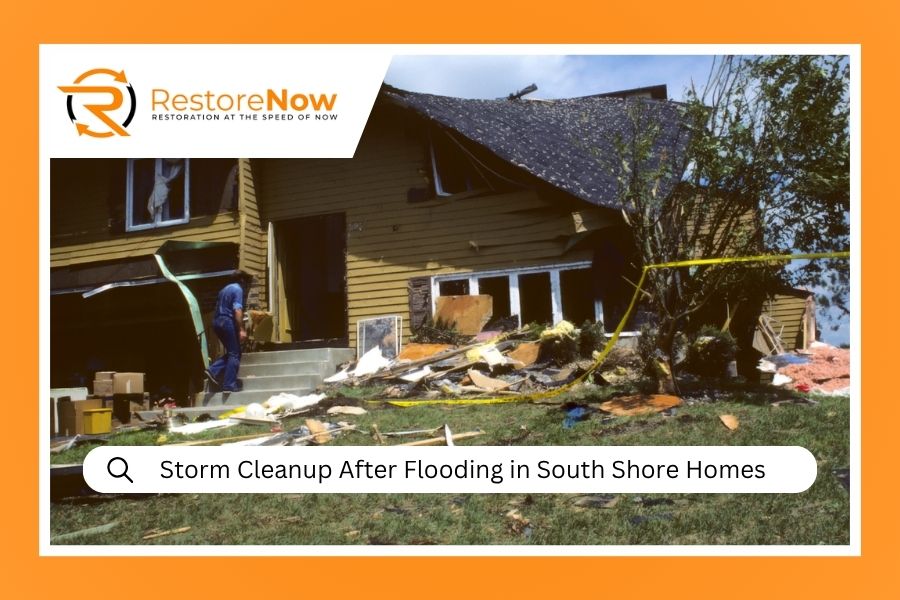
The first two days decide how the rest of your claim goes. Fast action limits the damage, and clear records give your insurer what they need to move quickly.
When you call, we coordinate the emergency response right away. For urgent water damage restoration, we work with our trusted licensed partners to oversee extraction and drying. Then our team handles the restoration and rebuild that follows.
Here is what those first hours should include:
- Stop the source. A shut off valve, a tarped roof, a boarded window. Anything that keeps the damage from spreading.
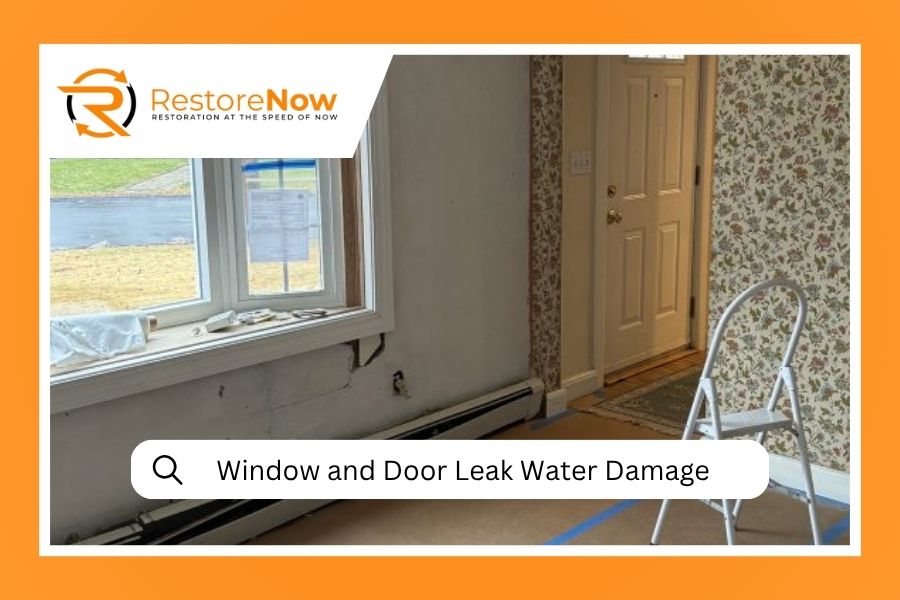
- Photograph everything. Wide shots of each room and close ups of the damage, before anyone cleans up.
- Call your insurer. Report the loss as soon as you reasonably can. The Insurance Information Institute notes that companies must send claim forms within a set time, so filing early starts the clock.
- Save receipts. Temporary repairs, a hotel stay if your home isn’t livable. Keep every receipt.
That’s it. You don’t have to be an expert. You just have to move, then let a team that does this every day take it from there.
Damage right now and not sure where to start?
Don’t wait for the water to spread. Our team coordinates the emergency response and handles the restoration that follows, all at the speed of now.
| Get Help Today |
Why Documentation Makes or Breaks Your Claim
Documentation is the single biggest factor in whether a claim moves smoothly or stalls. Detailed photos, a written scope of work, and an accurate estimate give your insurer a clear picture. A clear picture means fewer questions and faster approvals.
This is where a lot of homeowners feel out of their depth, and that’s fair. You’re not supposed to know what an insurer looks for in a scope of work. We do. We make it easier by documenting the damage, preparing detailed estimates, and giving your insurance company and adjuster the information they need to move the claim forward.
Notice what we did not say there. We can’t negotiate your settlement, and the claim stays between you and your insurer. What we can do is take the administrative weight off your shoulders and make sure the paperwork is thorough and easy to follow.
What Strong Claim Documentation Includes
|
Visual proof. Time stamped photos and video of every affected area, taken before cleanup. A written scope. A room by room breakdown of what was damaged and what it takes to restore it. An accurate estimate. Repair costs matched to the real work, not padded and not shortchanged. An expense log. Receipts for temporary repairs and living costs while your home is out of commission. |
When the scope of work we propose matches the repairs that are genuinely needed, the whole claim moves faster.
The Step by Step Path From Claim to Completion
Every restoration follows the same basic path, even when the damage looks wildly different. Water, fire, and storm jobs all move through the same five stages, from the first call to the final walkthrough.
- Emergency response. We coordinate mitigation with our licensed partners to stop the damage and dry things out.
- Assessment and documentation. We inspect, photograph, and write up a detailed scope of work.
- Estimate and claim support. We prepare the estimate and hand your insurer the information they need.
- Restoration and rebuild. Our team repairs, rebuilds, and reconstructs the affected areas.
- Final walkthrough. We walk the finished space with you and confirm the work is done right.
The reason this works is simple. One company oversees the whole thing. You’re not handing off from a mitigation crew to a separate contractor to a third estimator, hoping the details survive. Whether the job started with a burst pipe or needs full fire damage restoration, the same team carries it through.

Completion looks like this: a finished, rebuilt space.
What Slows a Claim Down (And How We Keep It Moving)
Most claim delays come from a handful of avoidable problems: thin documentation, mismatched estimates, and gaps between crews. Each one adds days or weeks, and each one is preventable with the right process from day one.
We’ve seen the same slowdowns trip up homeowners again and again. Here’s what causes them and how a coordinated approach heads them off:
| Common Slowdown | How We Keep Things Moving |
| Blurry or missing damage photos | Thorough, clear documentation from the start |
| Estimates that don’t match the real damage | Scope of work matched to actual repairs |
| Multiple crews, dropped details | One team overseeing the entire project |
| Slow rebuild after mitigation ends | Restoration ready to start the moment drying wraps |
The rebuild stage is where we really live. Once the emergency work is done, federal resources like FEMA’s repair and rebuild guidance explain what recovery involves, and our team handles the reconstruction that gets you home.
Want to see how this plays out? Take a look at our restoration case studies or read what local homeowners have said about working with us. You can also learn more about how our whole process works.
We proudly serve homeowners throughout the region, including Plymouth and the surrounding South Shore communities. When damage hits, call us and we’ll take it from there.
Frequently Asked Questions
Does RestoreNow talk to my insurance company for me?
We support your claim by documenting the damage, preparing detailed estimates, and providing the information your insurer needs. We take that administrative burden off your shoulders. The claim itself stays between you and your insurance company.
How long does a restoration claim take from start to finish?
It depends on the size of the loss and how fast the claim is approved. Thorough documentation and an accurate scope of work up front keep things moving. Small jobs can wrap in a couple of weeks, while full rebuilds take longer.
Do I need separate companies for cleanup and rebuilding?
No. We coordinate the emergency mitigation with our trusted licensed partners, then our own team handles the restoration and rebuild. One point of contact oversees the whole project.
What should I do before RestoreNow arrives?
If it’s safe, stop the water source, then photograph everything before you clean up. Report the loss to your insurer and hold onto any receipts. After that, give us a call.