Signs Your Sump Pump is Failing (And What Happens Next)
Jump To:
Your sump pump is one of those things you probably don’t think about until it’s too late. It sits quietly in your basement doing its job, keeping water out and your foundation safe. But when it starts to fail? That’s when things can go sideways fast.
Here on the South Shore, where most homes have basements and sump pumps are practically standard equipment, knowing the warning signs can save you from a flooded basement and thousands in water damage restoration costs. At RestoreNow, we’ve seen plenty of situations where homeowners missed the early signals, and we’re here to help you avoid that scenario.
Common Warning Signs Your Sump Pump is on Its Last Legs
5 Critical Warning Signs
Strange Noises Coming from the Pit
If your sump pump suddenly sounds like it’s auditioning for a horror movie soundtrack, that’s not normal. Grinding, rattling, or gurgling noises usually mean something’s wrong with the motor or impeller. A healthy pump hums along quietly. Anything louder than that deserves your attention.
The Pump Runs Constantly
A sump pump that never stops running is working way too hard. This could mean the switch is stuck, the pump is undersized for your home, or there’s a plumbing issue causing continuous water flow. Either way, it’s burning itself out, and it’s only a matter of time before it gives up entirely.
Visible Rust or Corrosion
Take a peek at your pump once in a while. If you see rust on the exterior or in the water, that’s a red flag. Rust weakens the system and can contaminate your basement. Bacteria in the water can also cause corrosion, which means your pump’s integrity is compromised.

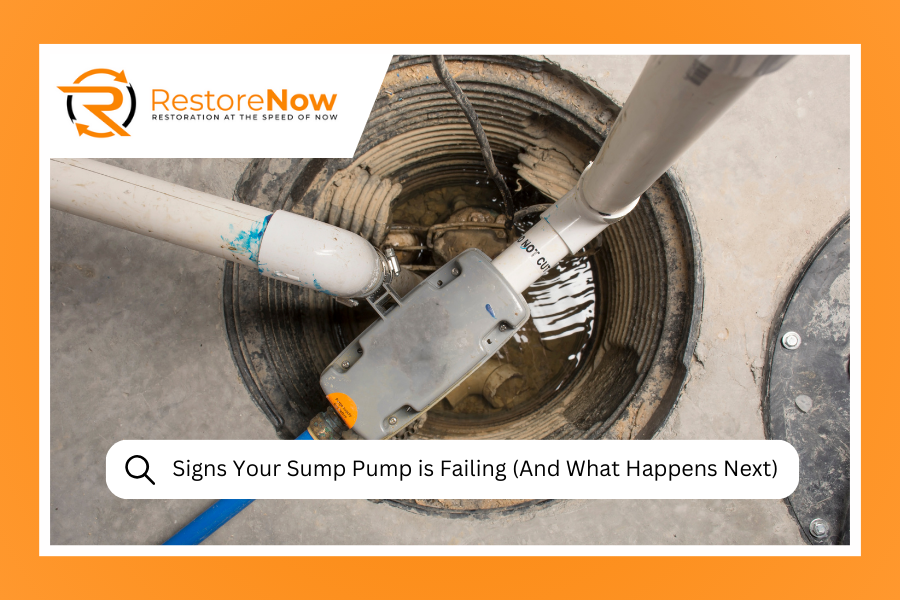
Regular sump pump replacement prevents costly basement flooding and water damage in South Shore homes.
The Pump Cycles On and Off Too Frequently
Short cycling, where the pump turns on and off every few minutes, means it’s struggling to keep up, or the float switch isn’t working properly. This puts unnecessary strain on the motor and will shorten its lifespan significantly.
It’s Been Around for 7+ Years
Sump pumps aren’t built to last forever. Most have a lifespan of about seven to ten years, depending on how hard they work. If yours is pushing that age, it’s smart to start planning for a replacement before it fails during the next heavy rain.
What Happens When Your Sump Pump Actually Fails
Let’s be real: when your sump pump quits, it usually picks the absolute worst time to do it. Heavy rain, snowmelt, a surprise hurricane. Murphy’s Law applies here.
Water starts pooling in your basement. At first, it might just be a little dampness around the sump pit. But depending on the water table and weather conditions, that can quickly turn into inches of standing water. We’ve responded to calls where homeowners came home to basement water damage that went from zero to disaster in just a few hours.
Your belongings are at risk. Anything stored in your basement, boxes of memories, holiday decorations, tools, furniture, can get soaked. And once water damage sets in, mold isn’t far behind.
Structural concerns pop up. Standing water can weaken your foundation, damage floor joists, and create long-term problems that are expensive to fix. The longer water sits, the worse it gets. According to Ready.gov’s flood safety information, even a few inches of water in your home can cause significant damage to building materials and personal property.

When sump pumps fail during heavy rain, basements can flood quickly, causing extensive water damage to your property.
Dealing with Water in Your Basement?
Don’t wait for the damage to spread. Our team at RestoreNow coordinates emergency response and handles the restoration work to get your home back to normal.
How to Keep Your Sump Pump in Fighting Shape
You can’t prevent every failure, but regular maintenance goes a long way. Here’s a quick checklist to keep your pump running smoothly:
- ✓ Test it every few months. Pour a bucket of water into the pit and make sure the pump kicks on and drains it properly.
- ✓ Clear debris from the pit. Dirt, gravel, and random junk can clog the intake and cause problems.
- ✓ Check the discharge line. Make sure water flows away from your foundation and that the line isn’t frozen or blocked. Direct discharge at least 10 feet away from your foundation to prevent water from seeping back.
- ✓ Consider a battery backup. Power outages and pump failures go hand in hand. A backup system can save you when the power goes out during a storm.
- ✓ Replace it before it fails. If your pump is getting up there in age or showing warning signs, proactive replacement beats emergency flooding every time.
What to Do If You Suspect Your Sump Pump is Failing
If you’re noticing any of these warning signs, don’t wait. Start by testing the pump yourself. If it’s not working properly, call a plumber or sump pump specialist to assess the situation. And if you’re already dealing with water in your basement, that’s where we come in.
With our trusted partners, we’ll oversee emergency water extraction and drying, and then RestoreNow handles the structural repairs and restoration that follow. We’ve been helping South Shore homeowners recover from sump pump failures and other water damage for years, and we know how to get things back on track quickly.
Whether you’re in Hanover, Braintree, Plymouth, or anywhere else on the South Shore, we’re here to help at the speed of now. We also handle property reconstruction when water damage affects more than just your basement.
Frequently Asked Questions
How often should I test my sump pump to catch problems early?
Test your sump pump at least every three to four months by pouring a bucket of water into the pit. If you live in an area with heavy seasonal rain or snowmelt, like we do here on the South Shore, test it before those seasons hit. Spring and fall are good checkpoints.
My sump pump is making grinding noises but still pumping water. Should I replace it immediately?
Grinding noises usually mean the impeller is damaged or debris is caught in the system. Even if it’s still working, that noise is a warning that failure is coming soon. It’s better to replace it now on your schedule than wait for it to quit during the next rainstorm.
What’s the best type of backup system for South Shore homes that lose power during storms?
A battery backup system is your best bet for our area. We get nor’easters and occasional hurricanes that can knock out power for hours or even days. Water-powered backup pumps work too, but they need good water pressure and can increase your water bill. A combination system, primary pump plus battery backup, gives you the most protection.
If my sump pump fails and floods my basement, how quickly does mold start growing?
Mold can start developing in as little as 24 to 48 hours after water damage. That’s why fast response matters. The longer water sits in your basement, the bigger the restoration job becomes. With our trusted partners, we coordinate emergency water extraction and drying, then handle the structural repairs to prevent long-term damage.