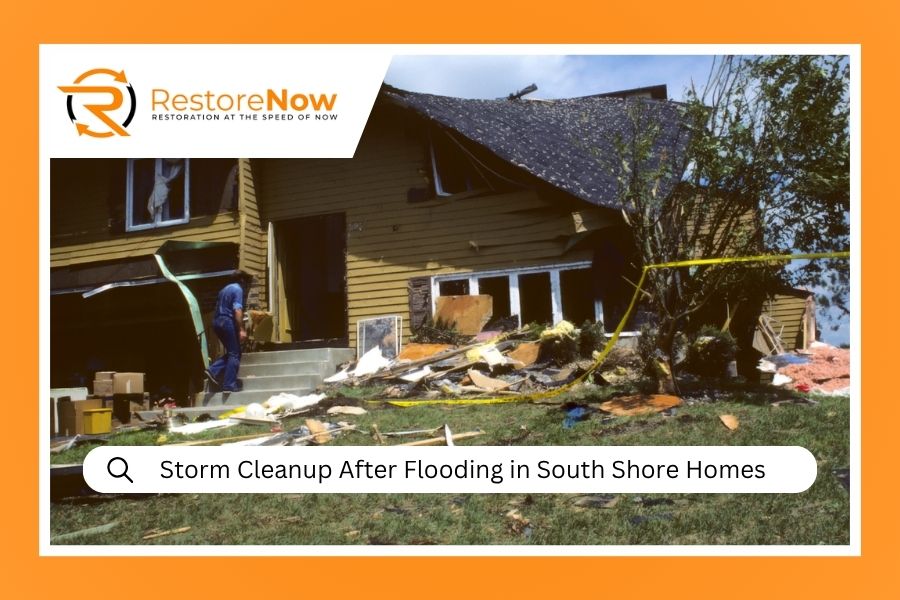
Storm Cleanup After Flooding in South Shore Homes
You wake up after a big storm, head downstairs, and your basement is a pond. The carpet squishes, there’s a weird smell, and you have no idea where to start. Our team at RestoreNow has walked hundreds of South Shore families through storm cleanup after flooding, and this guide covers what to do first, what can wait, and when to call the pros.
What Storm Flooding Actually Does to a South Shore Home
Here’s what nobody tells you: floodwater is nasty. It carries dirt, bacteria, sewage, and street runoff. The National Weather Service says to treat all floodwater as dirty, even if it looks clear.
Most South Shore homes have basements, and basements are floodwater magnets. Nor’easters, summer thunderstorms, random October downpours, they all push water through cracks, window wells, and busted sump pumps.
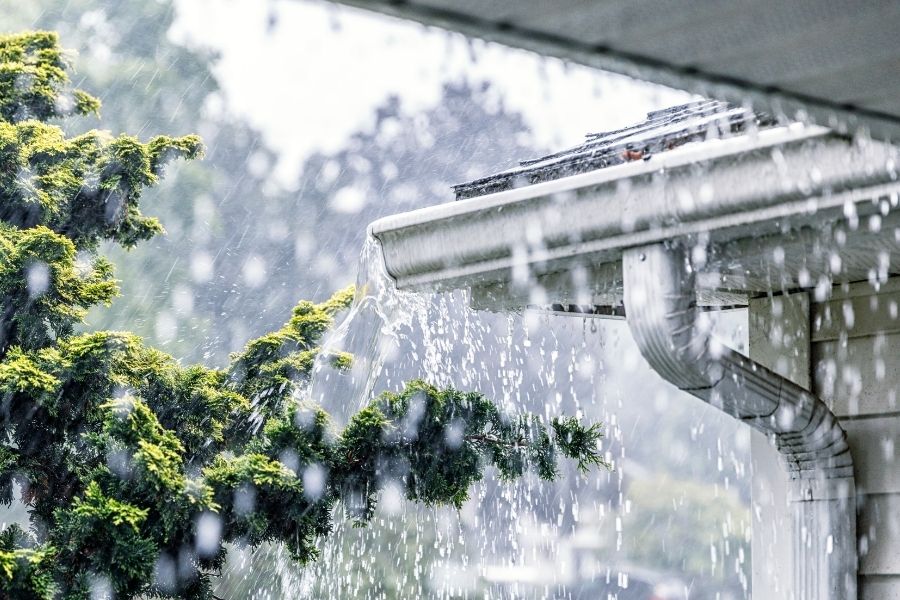
Between nor’easters, summer storms, and those surprise October soakers, South Shore homes take a beating.
The worst part? Damage doesn’t stop when the puddles dry up. Moisture creeps into framing, insulation, and drywall, and if it’s not dried out within 24 to 48 hours, mold will happily move in.
First Steps After the Water Goes Down
We get it, your instinct is to grab a mop and start cleaning. But if floodwater reached your electrical outlets, breaker panel, or appliances, stay out until an electrician gives the all-clear. Water plus electricity is not a combo you want to test.
Once the space is safe to enter, here’s the game plan:
|
Your Post-Storm Game Plan ☐ Get an electrician to clear any electrical hazards first ☐ Gear up: rubber boots, gloves, and a mask before you step in ☐ Document everything with photos and video before you touch anything ☐ Call your insurance company to get your claim started ☐ Pop open windows and doors for airflow (if weather cooperates) ☐ Get standing water out as quickly as you can ☐ Rescue salvageable furniture and belongings to a dry area ☐ Call a restoration company for a proper damage assessment |
That documentation step is huge. Grab your phone, shoot photos from every angle, and record video describing what you see. The more detail you capture now, the smoother your insurance claim goes.
|
Storm Got You Stressed? We coordinate emergency mitigation with trusted partners and handle every step of your restoration.
|
The Hidden Damage You’re Probably Missing
OK, here’s where people get blindsided. You see the soaked carpet and stained walls and figure that’s the problem. Not quite. The visible damage is maybe half the story.
Floodwater is sneaky. It wicks up through drywall, sometimes a full foot above the waterline. It soaks insulation in wall cavities and pools under vinyl flooring where nobody notices for weeks.
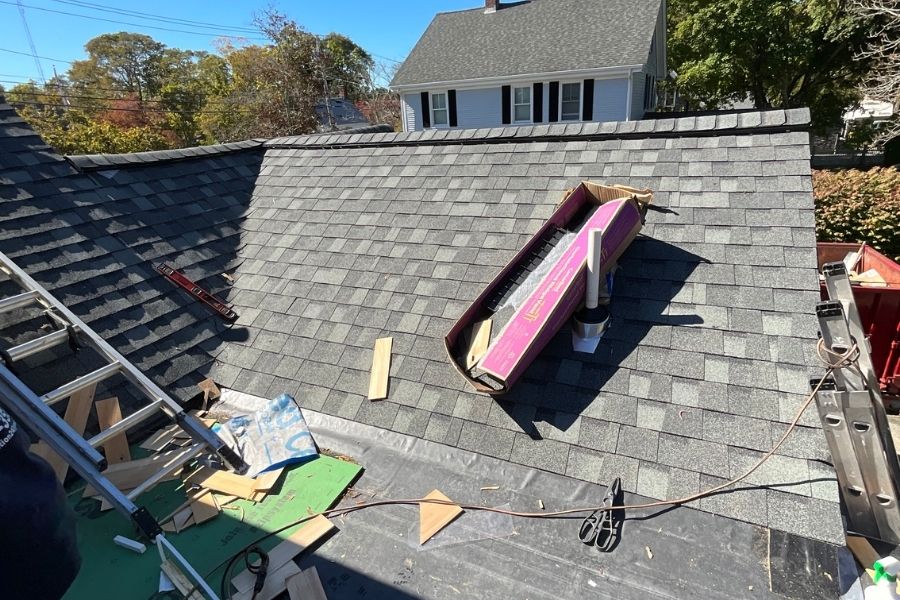
A damaged roof can keep letting water in long after the storm passes. This is the kind of thing a professional eye catches.
This is why a pro assessment matters. Moisture meters and thermal cameras catch what your eyes can’t. Skip it, and you could pay for the same repairs twice when hidden moisture turns into mold. If you’ve dealt with heavy rain flooding in Southeastern Massachusetts before, you know the drill.
|
Where Storm Damage Loves to Hide |
||
|
Behind Your Walls Moisture travels up drywall and soaks insulation inside wall cavities. You won’t see it from the living room. |
Under Your Floors Water pools beneath vinyl, laminate, and hardwood. It traps moisture in the subfloor for weeks with zero visible signs. |
In Crawl Spaces Dark, damp, and out of sight. Basements and crawl spaces hold water long after storms and breed mold fast. |
What Gets Fixed First (and Why the Order Matters)
Once the emergency phase wraps (water removal and drying, which RestoreNow sets up through trusted licensed partners), actual restoration starts. You can’t just skip ahead to picking new flooring. There’s a process.
Think of it like building in reverse. Strip out what’s ruined, confirm the bones are solid, then rebuild. Once everything is clean, dry, and verified, the property reconstruction begins. Here’s how it plays out:
1. Emergency water removal (through licensed partners). Water gets pulled out, drying equipment goes in, and surfaces get treated to stop bacteria.
2. Damage assessment. We walk the property with moisture meters and cameras. Everything gets documented for your insurance claim.
3. Tear-out. Drywall, insulation, flooring, anything too far gone gets removed.
4. Structural repairs. We fix or replace framing, subflooring, and anything the flood weakened.
5. Full rebuild. New drywall, flooring, paint, trim, fixtures. Goal: get your home back to where it was, or better.
How long does this take? A smaller flood in one room might wrap up in a couple weeks. A whole-basement situation takes longer. And watch out for storm chasers and fly-by-night contractors who show up promising fast, cheap fixes after big weather events.
Getting Your Insurance Claim Right
If there’s one thing that stresses people out as much as the flood itself, it’s the insurance claim. Tons of paperwork, confusing requirements, and a lot of waiting while you’re trying to keep life together.
Here’s what trips up most homeowners. Standard insurance usually covers water damage from sudden events, like rain pouring through a hole a branch punched in your roof.
But ground-level flooding is a different animal. When water rises outside and enters your home, you usually need a separate flood policy. A lot of South Shore homeowners find this gap too late.
Ready.gov recommends reviewing your coverage every year before storm season. Five minutes with your policy now can save you weeks of headaches later.
This is where the right restoration partner pays off. At RestoreNow, we document damage, build clear estimates, and give your insurer what they need to move your claim forward.
All that paperwork? We take it off your plate so you can focus on your family. For a deeper look, check out our guide on weather events and catastrophe claims.
|
Need Storm Restoration on the South Shore? RestoreNow is a family-owned, women-owned company serving Hanover, Plymouth, and all of Southeastern Massachusetts.
|
Frequently Asked Questions
How quickly do I need to start cleanup after storm flooding?
Within 24 to 48 hours. Mold can start growing that fast once moisture sets in. The quicker drying starts, the less damage you’ll face. Call a restoration company right away, even if the water looks like it’s going down on its own.
Does my regular homeowners insurance cover storm flooding?
It depends on how water got in. Rain entering through a damaged roof or window is usually covered. Rising floodwater from outside typically needs a separate flood policy. Worth a quick call to your agent before storm season.
Can I handle storm flood cleanup on my own?
Small spills on hard surfaces like tile? Sure. But if water reached your drywall, insulation, carpet, or subfloor, call a pro. Floodwater carries bacteria that need the right gear to handle safely.
What’s the difference between mitigation and restoration?
Mitigation is the emergency response: getting water out, drying the structure, stopping things from getting worse. Restoration is the rebuild: new drywall, flooring, insulation, and everything needed to get your home back to normal. RestoreNow coordinates mitigation through licensed partners, then handles the full restoration directly.