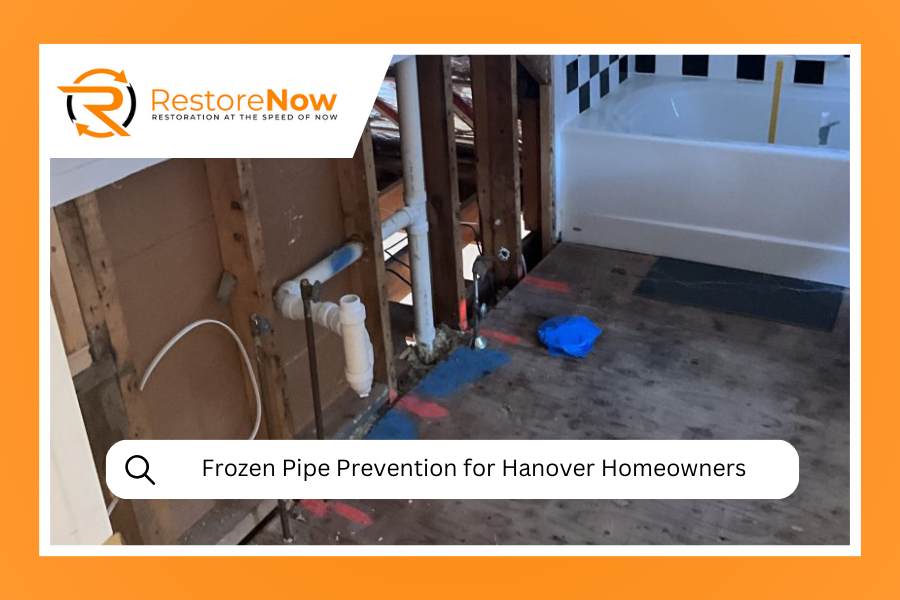
Preparing Your Hanover Home for Extended Vacancy: Your Complete Damage Prevention Guide
Jump To:
Whether you’re a snowbird heading to Florida for the winter or taking an extended work assignment, leaving your Hanover home vacant for weeks or months can feel nerve-wracking. And honestly, it should be, because an empty house faces unique risks that occupied homes don’t.
We’ve seen too many homeowners return from vacation to find water damage that could have been easily prevented. That burst pipe in the basement or ice dam on the roof doesn’t care that you were enjoying sunshine in Boca Raton. Here’s your guide to protecting your South Shore Massachusetts home while you’re away.
The Real Risks of Vacant Homes in Massachusetts
Let’s be honest about what can happen to an unattended house during New England winters. Freezing temperatures can cause pipes to burst, while accumulated snow leads to ice dams and structural damage. A single 1/8-inch crack in a pipe can leak up to 250 gallons of water per day, causing flooding and immediate mold potential.
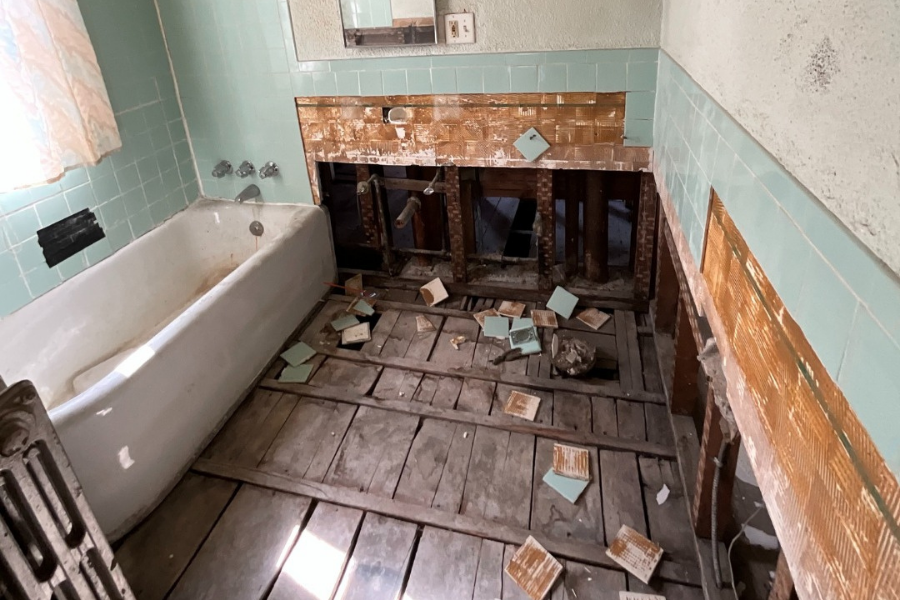
Water damage from burst pipes can cause thousands of dollars in repairs and create immediate mold risks if not addressed quickly.
Beyond weather damage, vacant homes attract unwanted attention from both intruders and animals seeking winter shelter. According to Ready.gov, proper home winterization is essential for preventing costly damage during extended absences. The combination makes preparation absolutely critical for South Shore homeowners.
Risk Assessment: Vacant Home Dangers
| Risk Factor | Potential Damage | Prevention Cost |
|---|---|---|
| Frozen Pipes | $5,000 – $20,000+ | $200 – $500 |
| Ice Dams | $2,000 – $15,000 | $300 – $800 |
| Break-ins | $3,000 – $25,000 | $100 – $400 |
| Pest Intrusion | $500 – $3,000 | $50 – $200 |
Your Essential Winterization Checklist
Critical Plumbing Protection
Temperature Management:
Set your thermostat between 55-60°F throughout your absence. This range prevents pipe freezing while avoiding excessive energy costs. No area with piping should fall below 40°F.
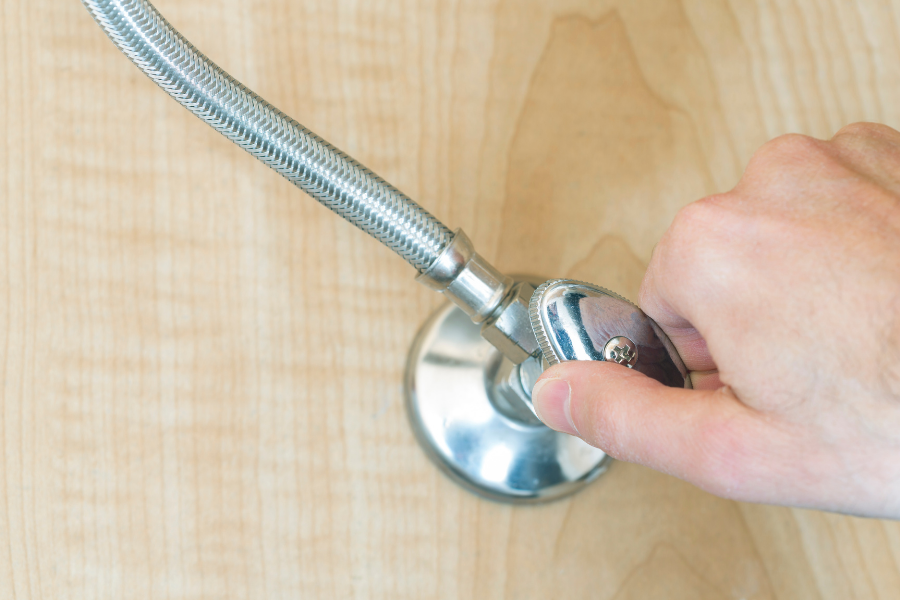
Know the location of your main water shut-off valve before you leave. This knowledge can prevent thousands in damage if problems occur.
Water System Decisions:
Consider shutting off your main water supply for extended absences, but consult your heating professional first if you have a steam heating system. At minimum, shut off and drain all pipes leading to outdoor faucets, sprinkler lines, and pool supply lines.
Pipe Insulation:
Insulate exposed pipes with foam sleeves or heat tape, focusing on unheated areas like basements, attics, and spaces near exterior walls. Keep faucets dripping slightly if you leave water on.
Concerned About Water Damage While You’re Away?
Get Expert Protection Guidance
Call (781) 303-9930 for immediate assistance
Ice Dam Prevention Strategies
Massachusetts homeowners know ice dams aren’t just pretty icicles, they’re disasters waiting to happen. According to Ready.gov, proper attic ventilation maintains colder temperatures, reducing snow melting and refreezing on your roof.
Ice Dam Prevention Steps
Add Insulation
Extra attic insulation prevents heat escape
Seal Air Leaks
Use fire-safe sealant around pipes and cables
Check Ventilation
Ensure all attic vents remain clear
Key Prevention Steps:
- Add extra attic insulation to prevent heat escape
- Seal attic hatches and any areas where light shows through
- Ensure all attic vents remain unobstructed
- Use fire-safe sealant around vent pipes and electrical cables
Security and Maintenance Measures
Lighting Strategy:
Install bright outdoor lights on timers and set interior lights on random timers throughout the house. Motion-activated exterior lighting provides excellent deterrent value.
Property Preparation:
- Move outdoor furniture, decorations, and equipment into storage
- Forward mail through USPS (up to one year available)
- Stop newspaper delivery immediately
- Never change voicemail messages to indicate you’re away
- Clean gutters thoroughly to prevent ice dam formation
Appliance Management:
Clean out your refrigerator, remove all perishables, and consider unplugging it for extended absences. Leave doors propped open to prevent mold and mildew growth. Unplug other non-essential electronics to save energy and prevent storm damage.
Your 4-Week Departure Timeline
Four Weeks Before:
Schedule professional heating system inspection and roof assessment. Clean gutters and trim trees near your home.
Two Weeks Before:
Set thermostat, make water system decisions, and arrange for regular property checks with a trusted neighbor or friend.
One Week Before:
Forward mail, stop deliveries, and clean out perishables. Test all systems one final time.
48 Hours Before:
Complete final walk-through, document home condition with photos, and ensure your local contact has all necessary information.
Emergency Planning and Documentation
Before leaving, photograph your home’s condition room by room. This creates reference points and provides documentation for insurance purposes if problems arise.
Essential Emergency Contacts:
- Trusted local contact person
- RestoreNow: (781) 303-9930
- Insurance agent
- Heating contractor
- Local utilities
Review your homeowners insurance policy carefully, as coverage often includes specific requirements for vacant properties, frozen pipe claims, and water damage situations.
When Things Go Wrong
Even with perfect preparation, sometimes Mother Nature wins. If you receive word about damage while away, act quickly:
- Contact your local person to assess the situation
- Document everything with photos
- Call your insurance company immediately
- For water damage, contact us right away
With our licensed environmental partners, we coordinate emergency response, and then RestoreNow handles the structural repairs and restoration work that follows. We understand dealing with home damage from hundreds of miles away adds stress, which is why we take that administrative burden off your shoulders.
Remember, you can also check out our guide on what to do first after finding water damage and learn about detecting water damage in basements for additional preparation insights. For more winter safety tips, visit our team page to learn about our restoration expertise.
Preparing your home for extended vacancy isn’t just about preventing problems, it’s about peace of mind while you’re away. Take the time to do it right, and you can actually enjoy your time away instead of worrying about what’s happening back home.
When problems do arise, RestoreNow is here to help get your life back on track at the speed of now. Contact us for more information about our restoration services.
Frequently Asked Questions
How long can I leave my Hanover home vacant without special winterization steps?
For South Shore Massachusetts homes, even departures longer than one week during winter months require basic precautions like maintaining consistent heat and arranging property checks. Extended absences over 30 days demand full winterization including water system protection, security measures, and emergency contact arrangements to prevent frozen pipes and ice dam formation.
What’s the biggest mistake homeowners make when preparing for extended vacancy?
The most costly mistake is assuming “just turning down the heat” is enough protection. Many homeowners return to find burst pipes because they set the thermostat too low or failed to insulate exposed plumbing in basements and crawl spaces. Always maintain 55-60°F and protect pipes in unheated areas.
Should I drain my entire plumbing system or use the “dripping faucet” method for extended vacancy?
For departures over 60 days, completely draining your water system is often safest, but consult your heating contractor first if you have a steam heating system. For shorter vacancies, the dripping faucet method combined with proper insulation and consistent heating usually provides adequate protection for Massachusetts winter conditions.
What should my property checker specifically look for during their visits?
Your designated person should verify the heating system is running, check for ice dam formation on the roof, ensure no water damage signs in basements or near windows, confirm outdoor lighting is working, remove accumulated mail or packages, and document any changes with photos. Give them your emergency contact list and RestoreNow’s number: (781) 303-9930.
Need Help With Water Damage Restoration?
Don’t let home damage ruin your time away. RestoreNow coordinates emergency response and handles all restoration work to get your South Shore home back to normal.
Emergency Line: (781) 303-9930