Understanding Your Homeowners Insurance Declaration Page
Jump To:
- • What Is a Declaration Page?
- • Why Your Dec Page Matters More Than You Think
- • Key Sections You Need to Understand
- • Coverage Limits: Are You Protected Enough?
- • Understanding What’s NOT Covered
- • Your Annual Declaration Page Review Checklist
- • When Disaster Strikes: Using Your Dec Page
- • Frequently Asked Questions
Your homeowners insurance declaration page sits in a drawer somewhere, probably unopened since the day it arrived. You know it’s important. But do you actually understand what it says?
Most homeowners in South Shore Massachusetts don’t review their declaration pages until something goes wrong. By then, it’s too late to fix coverage gaps. We’ve worked with countless property owners at RestoreNow who discovered they weren’t adequately covered only after water damage restoration began, or when filing claims for fire damage. The confusion and frustration could have been avoided with a simple annual review.
Understanding your declaration page isn’t just about knowing your premium. It’s about making sure you’re actually protected when disaster strikes your Hanover home.
What Is a Declaration Page?
Your declaration page is the summary document of your entire homeowners insurance policy. Think of it as the executive summary, the quick reference guide that tells you exactly what coverage you purchased, how much you’re paying, and what your limits are.
Insurance companies typically send a new declaration page annually when your policy renews. Some insurers call it a “dec page” or “policy summary.” Whatever the name, this single document contains the most critical information about your coverage. It’s usually just one or two pages long, but those pages pack in everything you need to know quickly.

Your declaration page summarizes all your policy coverage in one document
Why Your Dec Page Matters More Than You Think
Here’s something most people don’t realize. Your full insurance policy might be 40 or 50 pages of dense legal language. Nobody reads that. But your declaration page? You should read that every single year.
According to the Insurance Information Institute, nearly 60% of U.S. homes are underinsured by an average of 20%. That means when something happens, property owners don’t have enough coverage to fully rebuild or restore their homes. The declaration page tells you exactly where you stand before disaster strikes.
We see this problem constantly in our restoration work. A basement floods from a burst pipe during winter. The homeowner assumes they’re covered. Then they discover their dwelling coverage limit hasn’t been updated in five years, and construction costs have increased significantly. The gap between what insurance pays and actual restoration costs comes out of pocket.
⚠️ Real Example from South Shore Massachusetts
Last winter, we coordinated emergency response for a Hanover homeowner who experienced significant water damage from frozen pipes. Their declaration page showed a dwelling coverage limit that hadn’t been reviewed in six years. With recent construction cost increases in Massachusetts, their coverage fell $85,000 short of what full restoration actually required. This could have been caught with a simple annual review.
Key Sections You Need to Understand
Let’s break down what you’re actually looking at when you open your declaration page. Every insurance company formats these documents slightly differently, but they all contain the same essential information.
Policy Period and Premium
Right at the top, you’ll see your policy effective dates and total premium. Simple enough. But pay attention to the renewal date because this is when you should review everything else on the page. Your premium might have changed, and if it increased significantly without corresponding coverage increases, that’s a red flag worth investigating.
Property Address and Named Insured
Seems obvious, right? But verify this information is correct. If you’ve refinanced recently or updated your deed, make sure the names match current ownership. Mismatches can delay claims processing when you need help fast.
Dwelling Coverage (Coverage A)
This is the big one. Dwelling coverage pays to rebuild your house if it’s damaged or destroyed. Not the land, just the structure. This limit should reflect the current cost to rebuild your home, not its market value or what you paid for it.
Here’s where homeowners make their biggest mistake. They see a number that seems high and assume they’re fine. But construction costs fluctuate. In Massachusetts, we’ve seen building material costs and labor rates increase substantially over the past few years. Your dwelling coverage from 2020 might not cover the same reconstruction in 2026.
| Coverage Type | What It Covers | Typical Percentage |
|---|---|---|
| Coverage A: Dwelling | House structure and attached structures | Base amount |
| Coverage B: Other Structures | Detached garage, shed, fence | 10% of Coverage A |
| Coverage C: Personal Property | Belongings inside your home | 50-70% of Coverage A |
| Coverage D: Loss of Use | Temporary living expenses during restoration | 20-30% of Coverage A |
| Coverage E: Liability | Legal protection if someone is injured | $100,000-$500,000 |
Need Help Understanding Your Coverage?
Our team at RestoreNow works with insurance documentation daily. We can help you understand what your policy actually covers before you need to file a claim.
Coverage Limits: Are You Protected Enough?
Coverage limits tell you the maximum amount your insurance will pay for different types of damage. These aren’t suggestions. They’re hard caps on what you’ll receive.
Most South Shore homes have basements. If you’re looking at your declaration page and see dwelling coverage of $350,000, that might sound substantial. But does it account for finishing your basement, updated electrical systems, the roof replacement you did three years ago, or the kitchen renovation?
Replacement cost varies wildly based on your home’s specifics. A 2,000 square foot colonial with a finished basement, updated systems, and quality materials might cost $200 per square foot to rebuild, or $400,000 total. If your declaration page shows $300,000 in dwelling coverage, you’re $100,000 short.
Actual Cash Value vs. Replacement Cost
Your declaration page should clearly indicate whether you have “actual cash value” or “replacement cost” coverage. This distinction matters enormously when you’re filing a claim for fire damage restoration or other significant losses.
Actual cash value pays what your damaged property was worth at the time of loss, accounting for depreciation. Replacement cost pays to replace items with new equivalents of similar quality. Always choose replacement cost if it’s available. The premium difference is worth it.
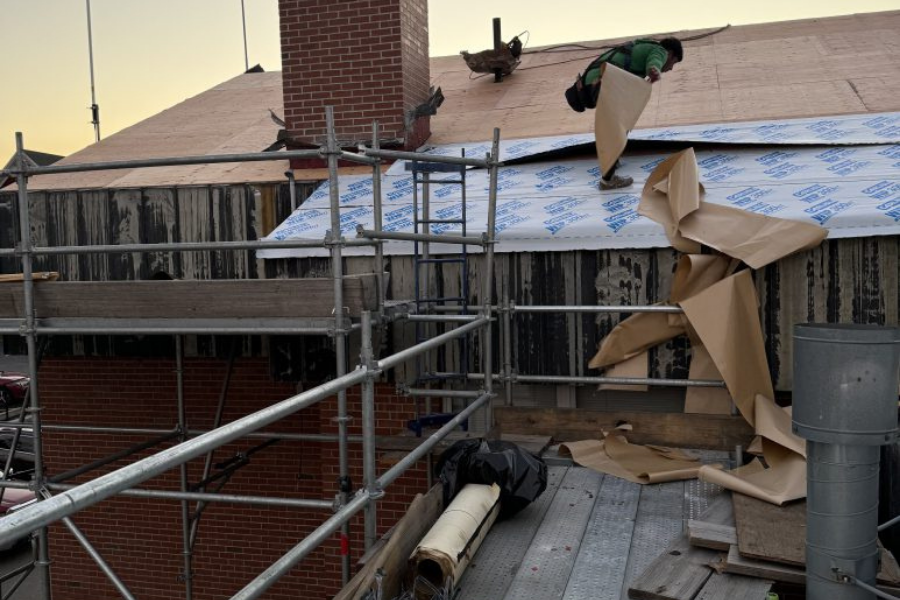
Understanding your coverage limits before damage occurs saves significant stress and expense
Special Limits for High-Value Items
Look for a section on your declaration page listing “special limits of liability.” These are sublimits for specific categories of personal property. You might have $150,000 in personal property coverage overall, but only $1,500 for jewelry, $2,500 for electronics, or $1,000 for cash.
If you own valuable items beyond these sublimits, you need separate scheduled personal property coverage, often called a “floater” or “rider.” Your declaration page should list any scheduled items with their individual coverage amounts.
Understanding What’s NOT Covered
Here’s where homeowners insurance gets tricky. Your declaration page might reference exclusions without listing them all. Standard homeowners policies typically exclude certain types of damage that South Shore residents definitely need to know about.
Flood damage is almost never covered by standard homeowners insurance. If you live near water or in a flood zone, you need separate flood insurance through the National Flood Insurance Program or a private insurer. Heavy rain flooding your basement? Not covered under standard policies. That’s a hard truth many homeowners discover too late.
According to the Federal Emergency Management Agency, just one inch of water in a home can cause over $25,000 in damage. Without proper flood coverage, that entire cost comes from your pocket.
Common Exclusions That Surprise Homeowners
- Sewer backup and sump pump failure: Many standard policies exclude water damage from sewer backups or sump pump failures unless you purchase additional endorsement coverage. This is crucial in Massachusetts where many homes have basements with sump pumps.
- Earth movement: Earthquakes, sinkholes, and landslides are typically excluded. While earthquakes are rare in Massachusetts, ground shifting can occur.
- Mold beyond initial damage: Policies may cover mold remediation if it results from a covered peril like a burst pipe, but exclude mold from ongoing moisture issues or negligence.
- Normal wear and tear: Insurance covers sudden, accidental damage, not deterioration from lack of maintenance. That slowly leaking pipe you ignored for six months? Probably not covered.
- Intentional damage: Obviously, but worth noting because some homeowners think they can make strategic claims.
Your declaration page might have an “endorsements” section listing additional coverages you’ve purchased beyond the standard policy. This is where you’d see sewer backup coverage, equipment breakdown coverage, or identity theft protection if you’ve added them.
Your Annual Declaration Page Review Checklist
Set a reminder to review your declaration page every year when it arrives. Here’s exactly what to check, in order of importance.
Annual Review Checklist
- Verify dwelling coverage matches current reconstruction costs. Call your agent if you’ve done renovations, additions, or if construction costs have increased in your area. For guidance on current reconstruction costs in Massachusetts, understanding repair costs can provide helpful context.
- Confirm your deductible amount. Make sure you can afford to pay this out of pocket if you need to file a claim. Higher deductibles lower premiums but increase your immediate financial burden during emergencies.
- Check that all residents are listed correctly. If someone moved in or out, update the policy. This affects liability coverage and claim processing.
- Review endorsements and additional coverages. Did you add or remove coverage for specific risks? Make sure these changes appear on your declaration page.
- Verify liability limits meet your needs. If your net worth has increased or you host guests frequently, consider higher liability coverage. The difference between $300,000 and $500,000 in liability coverage is often just a few dollars per month.
- Look at the loss of use coverage. If your home becomes uninhabitable during restoration, this pays for temporary housing and increased living expenses. Make sure the amount would actually cover several months of hotel stays and meals for your family.
- Confirm your personal property coverage. Calculate the actual value of your belongings. Most people significantly underestimate what they own. Walk through your home room by room and think about replacing everything.
If anything looks wrong or confusing, call your insurance agent immediately. Don’t wait until you need to file a claim. We’ve seen too many homeowners discover coverage problems when they’re already dealing with the stress of property damage.
When Disaster Strikes: Using Your Dec Page
When you need to file a claim, your declaration page becomes one of your most important documents. Keep a copy somewhere accessible and safe, ideally both a physical copy and a digital backup in cloud storage.
Your declaration page contains your policy number, coverage limits, deductible amount, and agent contact information. All of this gets referenced immediately when you report a claim. Having it handy speeds up the process significantly.
At RestoreNow, we work with property owners throughout the South Shore area to coordinate emergency response and handle restoration work. When disaster strikes your home, we thoroughly document the damage, prepare detailed estimates, and provide the information your insurance company needs to process your claim efficiently. Our team understands what insurers look for, and we make sure the scope of work matches the repairs actually needed.
We take that administrative burden off your shoulders during what’s already a stressful time. From coordinating emergency mitigation with our trusted partners to completing the full restoration and reconstruction, our team manages the entire process. You shouldn’t have to become an insurance expert on the worst day of homeownership.
For immediate situations, knowing your coverage details before calling for help makes everything move faster. We recommend keeping your declaration page accessible on your phone. Take a photo of it and save it in a secure folder. When you call for emergency assistance, you can quickly reference your policy details while speaking with both your insurance company and restoration professionals.
Pro Tip: Document Everything
Before damage occurs, photograph your home’s condition room by room. Store these photos with your declaration page. This documentation proves the pre-loss condition of your property and supports your claim. Update photos annually, especially after renovations or major purchases. For more guidance on immediate response steps, read our article on what to do first after finding water damage.
What Insurance Adjusters Look For
When you file a claim, an insurance adjuster reviews your declaration page alongside your claim details. They verify coverage applies, calculate what the policy will pay based on your limits and deductible, and determine if any exclusions affect your claim.
Understanding your declaration page puts you on equal footing with the adjuster. You know exactly what coverage you purchased and what limits apply. This knowledge helps you advocate for appropriate compensation and catch any errors in claim processing.
Insurance companies process thousands of claims. Mistakes happen. If you understand your declaration page, you’ll notice if the adjuster incorrectly applies a limit or overlooks coverage you purchased. Many homeowners accept initial claim settlements without realizing they’re entitled to more under their actual policy terms.
Frequently Asked Questions
How often should I update my dwelling coverage amount?
Review your dwelling coverage annually, and definitely increase it after any renovations, additions, or when construction costs rise significantly in your area. Many insurers offer inflation guard endorsements that automatically increase your coverage each year, but verify the increase matches actual cost changes. In Massachusetts, we’ve seen construction costs fluctuate substantially, so manual review remains important even with automatic increases.
Does my declaration page show everything that’s excluded from coverage?
No, your declaration page typically references exclusions but doesn’t list them all in detail. The complete exclusions appear in your full policy document. However, your declaration page should clearly show your deductible, coverage limits, and any additional endorsements you’ve purchased that modify standard exclusions. Read both documents together for complete understanding. Understanding what standard policies cover helps clarify common exclusions.
What’s the difference between a deductible and a coverage limit?
Your deductible is what you pay out of pocket before insurance coverage kicks in. It’s subtracted from every claim payment. Your coverage limit is the maximum amount your insurance will pay for a covered loss. For example, if you have a $1,500 deductible and $300,000 in dwelling coverage, and your home suffers $50,000 in covered fire damage, insurance pays $48,500 and you pay $1,500. Both numbers appear prominently on your declaration page.
Should I keep my declaration page somewhere specific?
Keep both physical and digital copies of your declaration page. Store the physical copy in a fireproof safe or safety deposit box along with other important documents. Save a digital copy in secure cloud storage accessible from your phone. Many homeowners also email a copy to themselves for easy access. When you need to file a claim, having immediate access to your policy number and coverage details speeds up the entire process significantly. Consider sharing access with a trusted family member who could retrieve this information if you’re unavailable during an emergency.