Why Insurance Restoration is Not Like a Regular Renovation
Jump To
People try to simplify it all the time. “It’s basically just a renovation.” They mean well, but if you’ve dealt with property damage in your South Shore home, you already know that’s not right. Insurance property reconstruction operates under a completely different set of rules than a kitchen remodel. The timeline, the decision-making, and the documentation involved are all more complex than most homeowners expect.
It’s Not a Project. It’s a Claim.
With a standard renovation, you’re in control. You pick the finishes, set the budget, and decide when things happen. A good contractor helps you get where you want to go.
Insurance restoration works differently from the first phone call. Your insurer has a seat at the table, and that seat comes with real authority over what gets repaired, how it gets repaired, and what it costs. According to the Insurance Information Institute, the average homeowners insurance claim results in a payout of more than $11,000. With that kind of money involved, insurers don’t simply hand you a check.
The restoration process starts with documentation, not demo. Before anything gets torn out, damage has to be photographed, measured, and catalogued in a way the insurer can evaluate. That’s a different starting point than picking out tile.
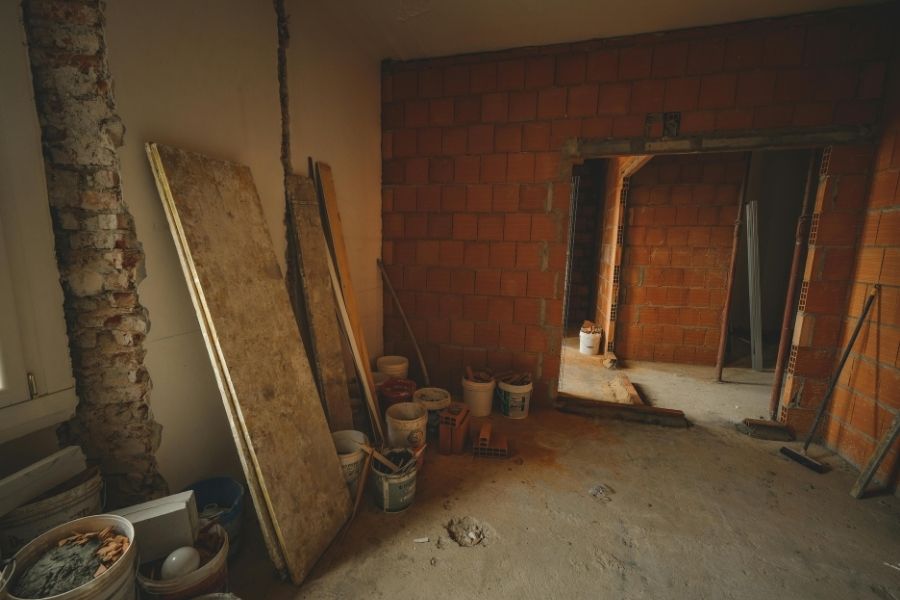
A standard renovation puts homeowners in charge of materials and timeline. Insurance restoration adds a third party with authority over scope and cost.
Dealing with property damage on the South Shore?
Our team at RestoreNow manages documentation, coordination, and the full rebuild. You don’t have to figure this out alone.
Insurance Has Its Own Rulebook
One of the biggest surprises for first-time claimants is how much control the insurance company has. It’s not adversarial, but it’s not a blank check either. Insurers use standardized pricing guidelines to evaluate repair costs, send their own adjusters to assess the damage, and expect documentation that matches the full scope of what’s being claimed.
A renovation contractor bids based on your preferences. A restoration company has to document and defend the scope of work against an insurance estimate that may not cover everything that actually needs to be done.
Insurance Restoration vs. Standard Renovation: Key Differences
| Insurance Restoration | Standard Renovation | |
|---|---|---|
| Who decides scope? | Insurer and restoration company | Homeowner and contractor |
| Pricing basis | Insurance industry guidelines | Contractor bid and homeowner budget |
| Starting point | Detailed damage documentation | Design plans and material picks |
| Material choices | Like-kind and quality replacement | Homeowner preference |
| Timeline pressure | High, often urgent | Flexible, homeowner-paced |
Knowing these differences beforehand helps you stay grounded when the insurer’s estimate looks different from what your contractor says.
Documentation Is the Real Job
Ask anyone who’s been through a significant claim and they’ll tell you: the paperwork is almost as exhausting as the damage itself. Thorough documentation is the backbone of a successful restoration claim. Without it, repairs get underpaid and homeowners end up covering costs they shouldn’t have to.
Good documentation includes photos of every affected area, moisture readings, measurements of damaged materials, and a detailed repair estimate the insurer can actually work from. It explains what needs to be fixed and why it’s in scope.
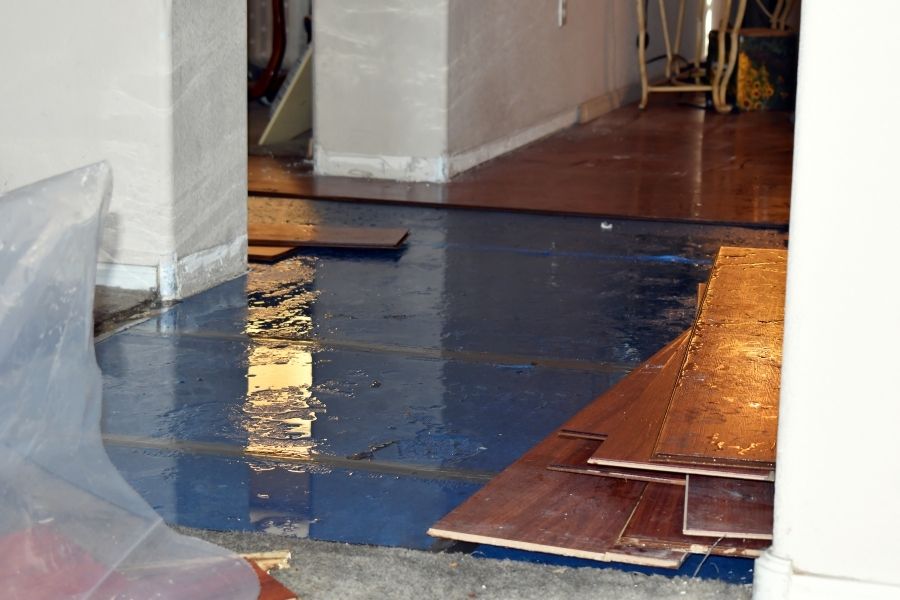
Water damage like this requires careful documentation before any restoration begins. What’s visible on the surface rarely captures the full picture.
Managing all of that while dealing with displaced furniture and the general stress of a damaged home is a lot. A restoration company that knows this process takes the administrative burden entirely off your plate. Our post on pre-existing damage and what insurance does and doesn’t cover is a helpful starting point if you’re still working through your policy.
The Scope of Work Problem
One of the most common friction points in any insurance restoration claim is scope. Your insurer sends an adjuster. The adjuster produces an estimate. Sometimes it covers everything. Often, it doesn’t.
Concealed damage is the biggest culprit. Water travels. It follows studs, pools inside wall cavities, and saturates subfloors long before it’s visible on the surface. An adjuster can only document what they can see. According to FEMA, water damage is among the most costly and frequent types of property loss, and much of what drives those costs is hidden damage found only once work begins.
What Adjusters Can Miss
- Moisture trapped inside wall cavities or subfloor framing
- Damage to insulation behind finished surfaces
- Secondary damage from delayed or incomplete drying
- Code upgrade requirements triggered by the repair scope
- Matching requirements for discontinued flooring or materials
A restoration company that knows the insurance process understands what to look for and how to document it in a way an adjuster can review. They also understand the like-kind and quality standard, which requires replacement materials to match what was there before in quality and appearance. If you’ve been through water damage restoration before, you already know how fast a modest leak can become a major repair scope once the walls open up.
Why the Right Restoration Partner Matters
Insurance restoration isn’t just construction work. It’s construction work that has to be documented and coordinated alongside an active insurance claim. That requires a different skill set entirely.
The team at RestoreNow has worked through this with homeowners across South Shore and Southeastern Massachusetts, handling everything from pipe bursts to fire damage restoration. We prepare detailed estimates, document the full damage scope, and give your insurer what it needs to move the claim forward. When things get complicated, we connect homeowners with licensed public adjusters.
What we don’t do is leave you to navigate the insurance side alone. You’ve already dealt with the hard part. What comes next should be managed by people who’ve done it before.
Our breakdown of what homeowners insurance covers for water damage in South Shore MA is worth reading before the adjuster arrives. Our project case studies show how we handle complex claims from start to finish. We serve communities across our South Shore service area and we’re available around the clock.
Ready to get the process started the right way?
RestoreNow handles the documentation, coordination, and full restoration. No guesswork. No runaround.
Frequently Asked Questions
Why is insurance restoration more complicated than a standard renovation?
Insurance restoration involves your insurance company as an active decision-maker with authority over the scope and cost of repairs. Unlike a renovation where the homeowner controls every choice, restoration requires detailed damage documentation, insurer-approved estimates, and compliance with the like-kind and quality replacement standard.
What is the like-kind and quality standard in insurance restoration?
The like-kind and quality standard means your insurer must replace damaged materials with items of comparable quality and appearance. This gets complicated when materials are discontinued, styles need to match across a room, or code upgrades are required as part of the repair.
Can a restoration company help if my insurance estimate seems too low?
Yes. A restoration company can review the adjuster’s estimate, identify missing items, and prepare supplemental documentation to support a fuller claim. They can also connect homeowners with licensed public adjusters when disputes require formal advocacy.
How long does insurance restoration typically take compared to a renovation?
Insurance restoration typically takes longer because it includes documentation, adjuster review, and insurer approval before full physical work begins. A project that might take two weeks as a renovation can take four to six weeks when insurance coordination is involved.