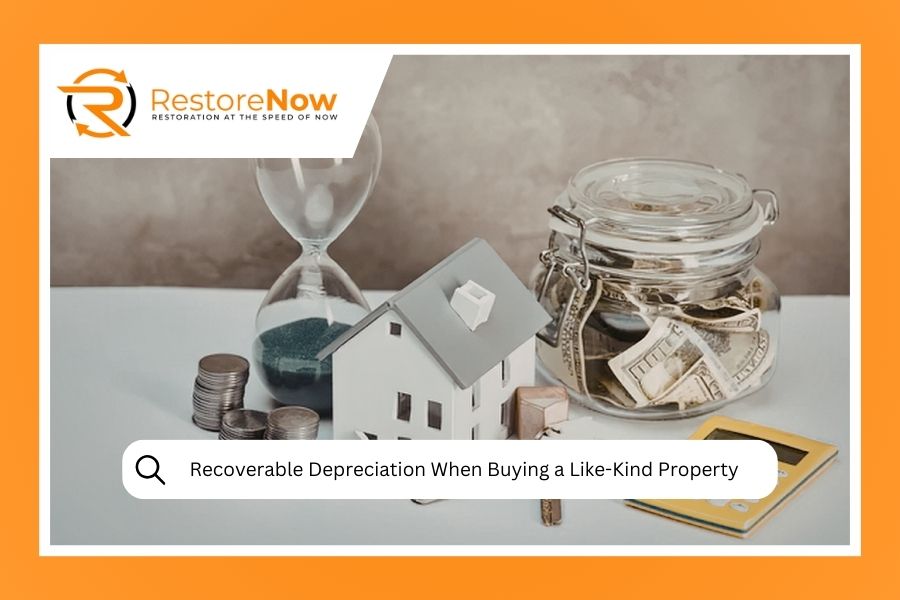
So You Want to Cash Out and Move On From Your Property: Recoverable Depreciation When Buying a Like-Kind Property
Deciding to sell a damaged property instead of repairing it is more common than most people realize. Maybe the damage was too extensive, the timing wasn’t right, or you’re simply ready for a fresh start somewhere else. Whatever pushed you toward that decision, one question tends to stop homeowners cold: what happens to the recoverable depreciation on your insurance claim when you choose to buy a like-kind property instead of rebuilding?
It’s a legitimate question, and the answer isn’t as simple as yes or no. It depends on your policy language, your state’s insurance regulations, and how well the situation is documented. As a South Shore restoration company, we’ve walked through enough of these claims alongside homeowners in the area to know which details matter and why getting them right can mean thousands of dollars in your pocket.
Let’s break it down in plain terms.
What Is Recoverable Depreciation, Exactly?
When your home sustains damage and you file a homeowners insurance claim, most standard replacement cost value (RCV) policies pay out in two stages. That two-step structure is intentional, and understanding it is the foundation for everything else in this article.
The first payment is the Actual Cash Value (ACV), which represents the current worth of the damaged items or structure after accounting for age, wear, and depreciation. Think of it this way: your 18-year-old roof isn’t worth what a brand-new one costs. The ACV reflects what that older roof is worth today.
The second payment is the recoverable depreciation. This is the gap between that ACV payout and the full replacement cost. Your insurer holds this amount back until the repairs or replacement work is actually completed and documented. Once you can show the work is done, the holdback amount gets released.
In short, it’s your money. But it comes with a condition: you have to do something with it.

Understanding how depreciation factors into your insurance claim payout can help you make smarter decisions when property damage forces a major choice.
ACV vs. RCV: The Two Payments You Need to Know
Before we get into the like-kind property question, it helps to see these two concepts side by side. A lot of confusion starts here.
| ACV (Actual Cash Value) | RCV (Replacement Cost Value) | |
|---|---|---|
| What it covers | Current depreciated value of damaged items | Full cost to repair or replace with like-kind materials |
| When you receive it | First payment, typically after claim is accepted | Released after documented repairs are complete |
| Depreciation withheld? | Yes, until work is verified | No, once documented work is submitted |
| Typical use case | Older structures or when selling as-is | Active rebuilding or purchasing a comparable property |
Most policies issued today are RCV policies. If yours is, you have options beyond just accepting that first ACV check and walking away. Whether those options include a like-kind purchase depends on the details we’ll cover next.
Not sure where your claim stands?
Our team at RestoreNow helps South Shore homeowners document damage, understand their policy, and make sure the scope of work matches what insurers actually need to see. We take that administrative burden off your plate.
What Happens When You Cash Out?
If you decide not to repair or rebuild, most standard policies will not release the recoverable depreciation holdback. The logic from the insurer’s perspective is straightforward: they agreed to pay replacement cost, but replacement cost requires replacement. No replacement, no second payment.
So if you accept the ACV, sign a final release, and walk away, that holdback amount typically stays with the insurance company. You’re not being cheated in a legal sense, but it can feel that way, especially when the depreciation gap runs into the tens of thousands.
Here’s where things get more nuanced, though. Taking the ACV and buying something else is not always the same as “doing nothing.” Some policies, and some states, recognize that replacing your home with a like-kind property fulfills the intent of replacement cost coverage. That’s the opening a lot of homeowners don’t know exists.
Before you sign anything, it’s worth understanding what your specific policy says and what your state allows. Rushing through a claims settlement under pressure from a timeline or a stressful situation can close that door permanently.
Can You Apply Recoverable Depreciation to a Like-Kind Property?
In insurance terms, “like-kind” means a comparable replacement of similar type, function, and quality. This is different from the IRS 1031 exchange concept, though the language sounds familiar. In the property insurance world, it simply means you’re replacing your damaged home with another residential property of comparable scope.
Whether your insurer will allow you to claim recoverable depreciation on a like-kind purchase depends on several factors:
- Your policy language — some RCV policies explicitly permit like-kind property purchases as qualifying replacements; others are silent or restrictive
- Your state’s insurance regulations — consumer protection laws in some states give policyholders broader rights here than others
- Your insurer’s internal guidelines — carriers interpret “replacement” differently, and this is often where disputes arise
- Documentation quality — the more clearly you can show the new property is comparable in scope and value, the stronger your position
According to the Insurance Information Institute, replacement cost policies vary significantly in how carriers define and apply “replacement,” and reading your declarations page carefully is one of the most important first steps. Our post on understanding your homeowners insurance declarations page is a good place to start if that document feels like a foreign language right now.

The paper trail matters. Documenting your like-kind purchase properly is what gives your insurer the evidence they need to release the recoverable depreciation holdback.
How the Like-Kind Property Option Actually Works
If your policy and state allow it, here’s a general picture of how the process unfolds. Note that every situation is different, and working with a public adjuster or an attorney who specializes in insurance law is worth considering for complex claims.
- Get your initial ACV payment — accept the first payout and document everything about the original damage. Don’t sign any release that closes out your RCV claim before you’ve explored your options.
- Notify your insurer of your intent — let them know in writing that you intend to purchase a like-kind property and apply the recoverable depreciation toward that purchase. Timing matters here, and most policies have a deadline.
- Identify a comparable property — the replacement property should be similar in size, use, and construction quality to the damaged one. Be prepared to show how it qualifies as “like-kind.”
- Document the purchase — your insurer will need a purchase agreement, closing documents, and often a detailed comparison showing that the replacement value aligns with your original claim scope.
- Submit your claim for the holdback — once the purchase is complete and documentation is in order, you can submit for release of the recoverable depreciation.
The Recovery Timeline at a Glance
1
Damage occurs & claim filed
2
ACV payment issued (holdback withheld)
3
Like-kind property identified & purchased
4
Documentation submitted
5
Recoverable depreciation released
How RestoreNow Helps You Through the Process
We’re a full property reconstruction and restoration company, not just a cleanup crew. That distinction matters a lot when you’re trying to navigate a complex insurance claim. We know what adjusters look for, and we make sure the scope of work we document matches the repairs that are actually needed.
When you’ve experienced water damage, fire damage, or another major loss, the insurance paperwork alone can feel overwhelming. Our team prepares thorough damage documentation, detailed estimates, and the kind of organized records that give your insurance company and your adjuster exactly what they need to move the claim forward.
We don’t communicate directly with adjusters on your behalf, but we absolutely take the administrative burden off your shoulders. If you’re exploring a like-kind property option and need documentation that clearly reflects the scope and value of your original loss, that’s exactly the kind of support we provide. We can also connect you with trusted public adjusters if your situation calls for professional claims advocacy.
Want to learn more about how emergency response and restoration work together? Our post on emergency services vs. mitigation vs. restoration lays out who does what and when. And if pre-existing damage is complicating your claim, this breakdown of what’s covered and what’s not when pre-existing damage is involved is worth a read.
Ready to get the documentation right?
Our team serves Hanover, the South Shore, and Southeastern Massachusetts. We respond fast, document thoroughly, and make sure your restoration claim is set up for the best possible outcome.
Frequently Asked Questions
What is recoverable depreciation on a homeowners insurance claim?
Recoverable depreciation is the difference between the Actual Cash Value (ACV) your insurer pays first and the full Replacement Cost Value (RCV) of the damaged property. Most RCV policies withhold this amount until you complete repairs or a qualifying replacement and submit documentation proving the work is done. Once that’s verified, the holdback amount is released to you.
Can I claim recoverable depreciation if I buy a different house instead of rebuilding?
In some cases, yes. Whether your insurer will release the depreciation holdback when you purchase a like-kind property depends on your specific policy language, your state’s regulations, and how well you can document that the replacement property is comparable in type, size, and quality to the original. It’s not a given, and reviewing your policy and talking to a public adjuster before signing anything is a smart move.
What does “like-kind property” mean in an insurance claim context?
In property insurance, “like-kind” refers to a replacement property that is similar in type, use, construction quality, and value to the damaged one. It doesn’t have to be an exact match, but it needs to be reasonably comparable. This is separate from the IRS 1031 exchange definition, which relates to investment property tax deferral and is a different concept entirely.
What happens to recoverable depreciation if I just take the ACV and sell the damaged property?
If you accept the ACV payment and sign a final claims release without completing repairs or a qualifying replacement purchase, you typically forfeit the recoverable depreciation holdback. Those funds stay with the insurance company because the replacement cost conditions were never satisfied. Before signing any settlement documents, make sure you fully understand what options you still have under your policy.