Winter Water Damage in South Shore Homes: The Most Common Causes
Jump to Section:
Winter in Massachusetts brings more than just snowball fights and cozy fireplaces. For South Shore homeowners, the cold months from December through March also bring a heightened risk of water damage. At RestoreNow, we see it every year: frozen pipes, ice dams, basement flooding, and all the chaos that comes with it. The good news? Most winter water damage is preventable when you know what to watch for.
If you’re dealing with water damage right now, we can help coordinate emergency response and handle water damage restoration throughout the South Shore. But if you’re reading this before disaster strikes, you’re in the right place. Let’s walk through the most common causes of winter water damage so you can protect your home before the next cold snap.
Frozen and Burst Pipes: The Classic Winter Nightmare
This is the big one. When temperatures drop below freezing, the water inside your pipes expands as it turns to ice. That expansion creates pressure, and eventually, something’s got to give. The result? A burst pipe that can dump gallons of water into your home before you even realize what’s happening.
Pipes in unheated areas are especially vulnerable: crawl spaces, attics, exterior walls, and garages. We’ve seen burst pipes flood finished basements, ruin drywall, and soak insulation in ways that take weeks to fully repair.
How to prevent it: Keep your heat on, even when you’re away. Open cabinet doors under sinks to let warm air circulate around pipes. Let faucets drip slightly during extreme cold. And if you have pipes in unheated spaces, consider insulating them before winter hits. Experts recommend keeping your thermostat set to at least 55°F when you’re away to prevent freezing.
Ice Dams and Roof Leaks
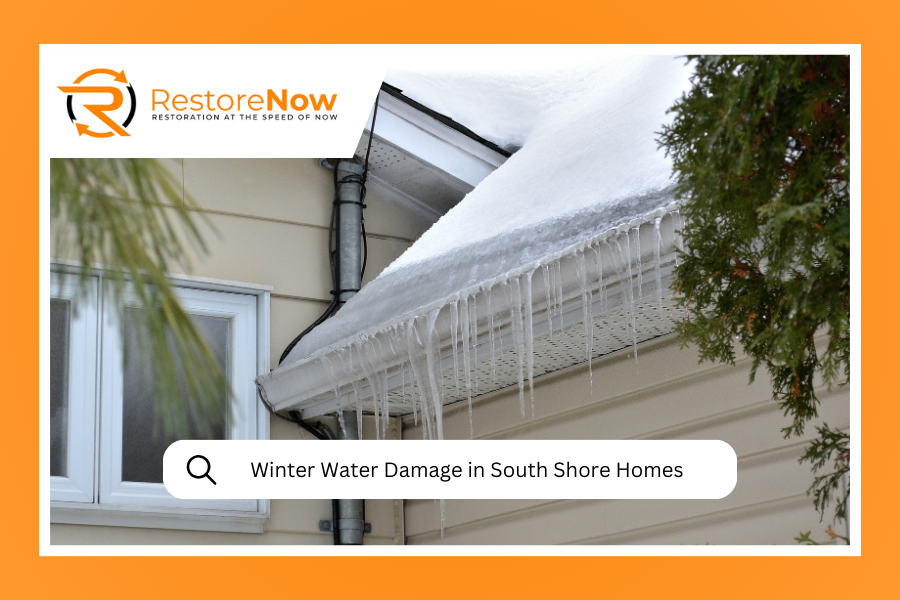
Ice dams form when heat from your attic melts snow on your roof. That water runs down toward the gutters, refreezes at the roof’s edge, and creates a barrier of ice. More melting snow has nowhere to go, so it backs up under your shingles and into your home.
The damage usually shows up as water stains on ceilings, peeling paint, or soggy insulation in the attic. By the time you notice the problem inside, the ice dam outside has usually been there for a while.
How to prevent it: Make sure your attic is properly insulated and ventilated so heat doesn’t escape through the roof. Clean your gutters before winter. If you see an ice dam forming, don’t try to chip it away yourself; you could damage your roof. Instead, reach out to us so we can help you handle it safely.
Need Help Fast?
Winter water damage doesn’t wait for business hours. At RestoreNow, our team coordinates emergency response and handles restoration work 24/7, with response times of 30 to 60 minutes.
Call us at (781) 303-9930 anytime, day or night.
Sump Pump Failures During Thaws
Most South Shore homes have basements, and most basements have sump pumps. When temperatures rise after a freeze, melting snow and ice send water rushing toward your foundation. If your sump pump isn’t working, that water has nowhere to go except into your basement.
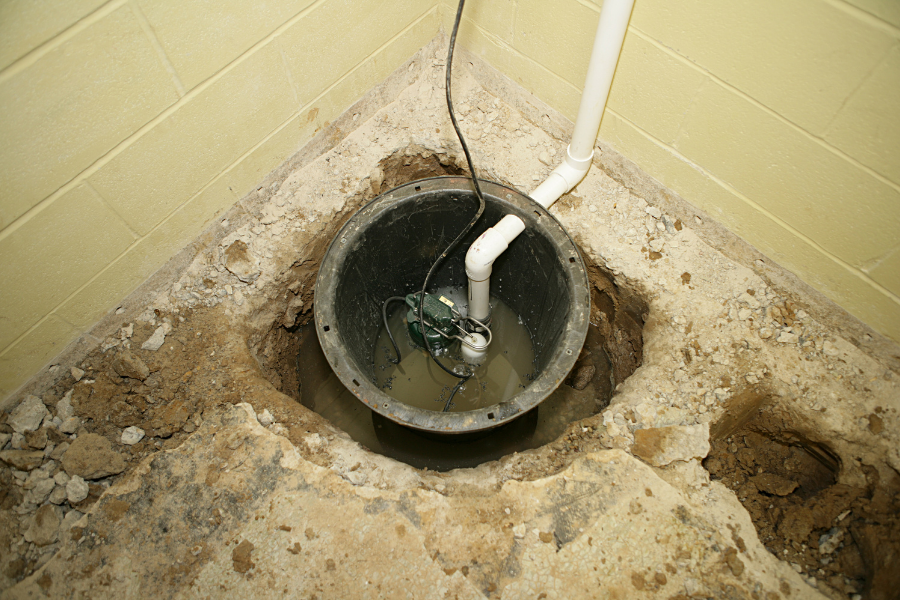
A failed sump pump during winter thaws can quickly lead to extensive basement flooding.
Sump pumps fail for all kinds of reasons: power outages, mechanical issues, clogged discharge lines, or they simply wear out over time. We see a lot of flooded basements in late winter and early spring when thaws happen fast and sump pumps can’t keep up.
How to prevent it: Test your sump pump before winter by pouring a bucket of water into the pit. Make sure the float switch moves freely and the pump kicks on. Consider a battery backup system in case of power outages. And if your sump pump is more than seven years old, it might be time for a replacement.
Snow Melt Around Your Foundation
Heavy snow piled against your foundation doesn’t just sit there. When it melts, all that water soaks into the ground right next to your home. If your foundation has cracks, poor drainage, or inadequate waterproofing, that meltwater finds its way inside.
Basement flooding from snow melt is sneaky because it doesn’t happen all at once. You might notice damp spots on the floor, moisture along the walls, or a musty smell before you see standing water. If you’ve been dealing with ongoing basement water damage issues, winter thaws can make them much worse. And if that moisture sits long enough, you could be looking at mold cleanup down the line.
How to prevent it: Keep snow cleared away from your foundation. Make sure your gutters and downspouts are directing water at least six feet away from the house. Check for foundation cracks and seal them before winter arrives.
Winter Water Damage Risk Assessment
| Cause | Risk Level | Peak Season | Prevention Cost |
|---|---|---|---|
| Frozen Pipes | High | Dec – Feb | Low ($) |
| Ice Dams | Medium-High | Jan – Mar | Medium ($$) |
| Sump Pump Failure | High | Feb – Mar | Low-Medium ($$) |
| Snow Melt | Medium | Feb – Apr | Low ($) |
| Water Heater | Medium | Year-round | Free (Inspection) |
| Appliance Leaks | Low-Medium | Year-round | Low ($) |
Water Heater Failures in Cold Weather
Your water heater works harder in winter. Cold water coming into the tank means the system has to heat it more, and that extra strain can lead to leaks or even catastrophic failures. We’ve responded to more than a few calls where a water heater gave out in the middle of the night, flooding basements and mechanical rooms.
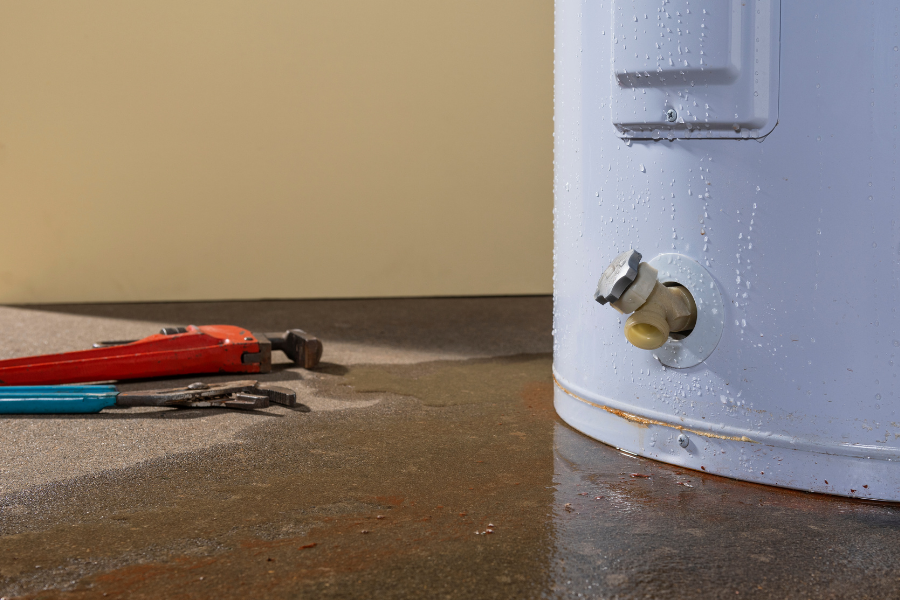
Water heater failures during winter can cause extensive flooding in basements and mechanical rooms.
Older water heaters are especially prone to failure, and if yours is over ten years old, winter might be the time it decides to quit.
How to prevent it: Inspect your water heater for rust, corrosion, or pooling water around the base. Drain and flush the tank annually to remove sediment buildup. If your water heater is nearing the end of its lifespan, don’t wait for it to fail; replace it proactively.
Washing Machine and Dishwasher Hose Leaks
Winter puts stress on everything in your home, including appliance hoses. Cold temperatures can make rubber hoses brittle and more likely to crack or burst. A washing machine supply line that fails can dump dozens of gallons of water onto your floors in minutes.
Dishwashers are a little less dramatic, but a slow leak can still cause serious damage over time, especially if it soaks into cabinets, subfloors, or drywall.
How to prevent it: Check hoses for cracks, bulges, or signs of wear. Replace rubber hoses with braided stainless steel versions, which are more durable. If your appliances are in unheated areas, make sure those spaces stay warm enough to prevent freezing.
Frozen Gutters and Downspouts
When gutters fill with ice, water can’t flow where it’s supposed to go. Instead, it overflows and runs down the side of your house, seeping into walls, windows, and foundations. Frozen downspouts create the same problem: water backs up and finds a way inside.
This type of damage often goes unnoticed until you see water stains on interior walls or moisture in the basement. By then, the freeze-thaw cycle has been doing its thing for weeks.
How to prevent it: Clean your gutters before winter so they’re not clogged with leaves and debris. Consider installing heated gutter cables if ice buildup is a recurring problem. And make sure downspouts are clear and directing water away from your foundation.
Window and Door Leaks
Cold weather can cause window and door frames to contract, creating gaps where water can sneak in. Add in wind-driven rain or melting snow around poorly sealed openings, and you’ve got a recipe for water damage.
Leaks around windows and doors often show up as water stains, peeling paint, or warped trim. Left unchecked, they can lead to bigger structural issues down the line.
How to prevent it: Inspect the caulking around windows and doors. If it’s cracked or missing, reseal it before winter. Check weatherstripping and replace it if it’s worn out. And if you notice drafts, there’s probably a gap that could let water in too.
What to Do If Water Damage Happens
Even with the best prevention, winter water damage can still happen. If you find yourself dealing with a burst pipe, flooded basement, or any other water emergency, here’s what to do first:
- Shut off the water source if possible (main valve, appliance supply line, etc.)
- Turn off electricity to affected areas if it’s safe to do so
- Move valuables out of the water’s path
- Document the damage with photos for insurance purposes
- Call for help right away
With our trusted partners, we’ll oversee emergency water extraction and drying, and then RestoreNow is there to handle the structural repairs and restoration that follow. We know what insurers look for, and we make sure the scope of work we propose matches the repairs that are actually needed. Our goal is to take that administrative burden off your shoulders so you can focus on getting back to normal.
Winter weather can be particularly harsh in communities like Plymouth, Braintree, and Quincy. No matter where you are on the South Shore, we’re ready to help when you need us most.
A Quick Winter Water Damage Prevention Checklist
Here’s a simple checklist to help you winterize your home and avoid the most common causes of water damage:
- ✓ Test your sump pump by pouring water into the pit
- ✓ Insulate exposed pipes in crawl spaces, attics, and garages
- ✓ Clean gutters and downspouts before the first freeze
- ✓ Seal cracks in your foundation and around windows and doors
- ✓ Keep your heat on when you’re away, even if it’s just set to 55°F
- ✓ Let faucets drip during extreme cold snaps
- ✓ Inspect your water heater for signs of wear or leaks
- ✓ Replace old appliance hoses with braided stainless steel versions
- ✓ Clear snow away from your foundation regularly
For more tips on protecting your home, check out our guide on preparing your Hanover home for extended vacancy, which covers a lot of the same winterization strategies. And if you want to understand more about potential costs involved, take a look at our breakdown of the cost to repair water damage in Massachusetts.
Understanding the Financial Side of Winter Water Damage
One question we hear a lot: does homeowners insurance cover water damage in South Shore MA? The answer depends on what caused the damage. Sudden and accidental events like burst pipes are typically covered, while gradual damage from neglected maintenance often isn’t. That’s why prevention is so important, and why acting quickly when damage occurs can make a real difference in your claim.
We thoroughly document the damage, prepare detailed estimates, and provide the information your insurance company needs to move the claim forward. We take that administrative burden off your shoulders so you can focus on getting your home back to normal.
Frequently Asked Questions
How can I tell if my pipes are frozen before they burst?
Look for reduced water flow from faucets, frost on exposed pipes, or strange sounds when you turn on the water. If you suspect a frozen pipe in your walls or crawl space, you might also notice cold spots or a sudden drop in water pressure. Don’t try to thaw frozen pipes with open flames or you risk causing them to burst. If you catch a frozen pipe early, a hairdryer on low heat can help, but call a professional if you’re not sure.
Are ice dams more common on certain types of roofs in South Shore homes?
Yes. Ice dams are more likely on roofs with poor attic insulation, complex roof lines with multiple valleys, or roofs that face south where snow melts faster during the day and refreezes at night. Older homes with inadequate ventilation are especially vulnerable. If you’ve had ice dams before, they’ll likely come back unless you address the insulation and ventilation issues. According to Ready.gov’s winter weather guidance, proper home winterization is one of the most effective ways to prevent cold weather damage.
What’s the difference between a slow sump pump failure and a sudden one?
A slow failure happens when your sump pump is struggling but still partially working. You might notice it running longer than usual, making strange noises, or leaving standing water in the pit. A sudden failure means it stops working completely, often during a thaw or heavy rain when you need it most. Testing your sump pump monthly during winter helps you catch slow failures before they become emergencies. If your pump is cycling on and off constantly, that’s also a red flag that something’s wrong.
If I find water damage from snow melt in my basement, how do I know if it’s a foundation issue or just drainage?
Check where the water is coming in. If it’s seeping through cracks in the foundation walls or floor, you’ve got a foundation issue that needs professional attention. If it’s coming in through the joint where the floor meets the wall, or if you see water after heavy snow melt but not during regular rain, it’s likely a drainage problem with your grading or gutters. Either way, addressing it quickly prevents bigger issues down the road. Sometimes it’s both, and that’s when having experts assess the situation makes all the difference.
Winter water damage doesn’t have to be inevitable. With the right preparation and quick action when problems arise, you can protect your South Shore home all season long.
RestoreNow: Restoration At The Speed Of Now
Available 24/7 | (781) 303-9930