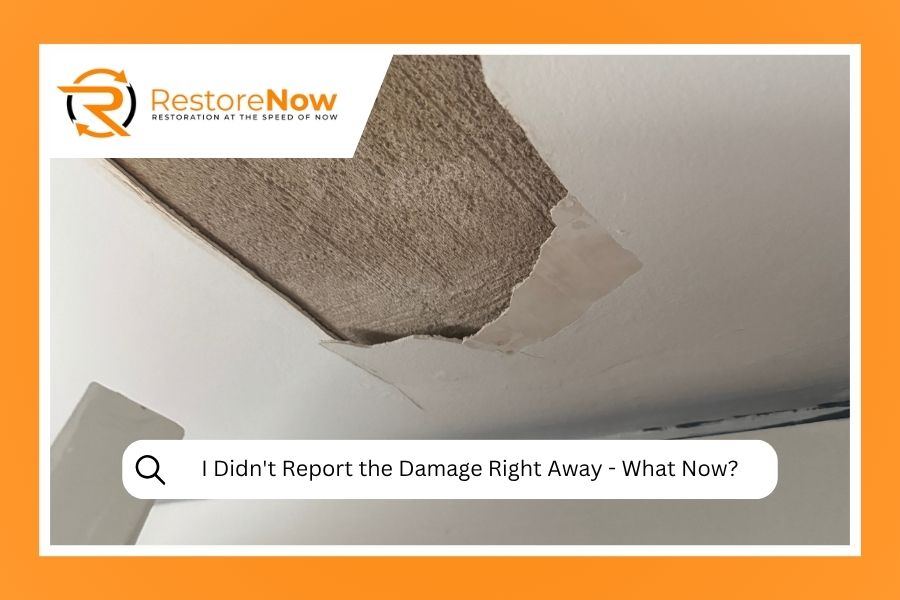
I Didn’t Report the Damage Right Away – What Now?
Jump To:
You noticed the stain on the ceiling two weeks ago. Maybe you smelled something musty in the basement, or felt a soft spot in the floor. Life got busy, so you put it off. Now the damage is worse, and if you’re a homeowner on the South Shore or in Southeastern Massachusetts, our team at RestoreNow can tell you that needing water damage restoration after a late start is more common than you’d think.
A delayed report does not mean a denied claim. But you need to act fast. Here’s what to know.
Does Waiting to Report Damage Void Your Insurance Claim?
No. Waiting to report does not void your claim by default. Most policies say you need to report “promptly,” but they don’t set a hard deadline in days.
What matters is whether the delay made things worse. A burst pipe found two weeks after a trip? Easy to explain. A slow leak you saw six months ago and put off? That looks like neglect.

Your policy has specific wording about when and how to report damage. Read it closely before filing late.
Your policy likely talks about a “duty to mitigate.” Once you know about the problem, you need to stop it from getting worse. Even with a late report, showing you acted as soon as you grasped the full picture helps your case. Check our guide to reading your insurance declaration page if you’re not sure what your policy says.
What Happens When You File a Late Damage Claim?
A late filing won’t trigger an instant denial. It will invite extra questions, though. Your adjuster will want to know the full timeline and what caused the gap. Honest answers go a long way.
Here’s what to expect:
- Timeline review. When did the damage start? When did you notice? Why the delay?
- Added damage check. Did waiting make it worse? A small leak that turned into mold is a problem. Your insurer may only cover the original issue.
- “Sudden vs. gradual” test. Most policies cover sudden events like a burst pipe, not slow problems like years of dripping.
- Records review. When there’s a gap in the timeline, your paperwork needs to be solid.
Reported Late? Don’t Panic.
RestoreNow helps South Shore homeowners document damage and get the restoration process moving, even after a delayed report.
The Insurance Information Institute notes that late filings are common after storms or when damage isn’t easy to spot right away. You’re not the first person in this spot.
What Steps Should You Take If You Waited to Report?
Start with records. Today. Not next week. Every day you wait without notes makes the process harder. Here’s a quick checklist:
Delayed Reporting Checklist
| 1. | Take photos and video. Get wide shots and close-ups. Show every area the damage has reached. |
| 2. | Write your timeline down. When did you first see it? What kept you from calling sooner? Be honest. |
| 3. | File the claim now. Call your insurance company, even though it’s late. Most adjusters have seen it all. |
| 4. | Stop the damage from spreading. Tarp a leak. Shut off the water supply. Move your stuff out of harm’s way. This is your duty to mitigate. |
| 5. | Call a restoration pro. A pro assessment adds weight to your claim by giving your insurer real data to work with. |
You should also read up on what counts as pre-existing damage versus new damage. That line is where a lot of delayed claims get decided.
What Is Your Insurance Company Actually Looking For?
Adjusters aren’t after a perfect story. They want honesty, proof, and records showing a covered event caused the damage. Here’s what they need:
| What They Need | Why It Matters | How to Give It |
|---|---|---|
| Proof of a covered event | Tells sudden damage apart from slow wear | Weather records, plumber reports, dated photos |
| Damage records | Shows scope and type of damage | Photos, videos, pro assessments |
| Proof you tried to stop it | Shows you met your duty to mitigate | Receipts, contractor notes, repair logs |
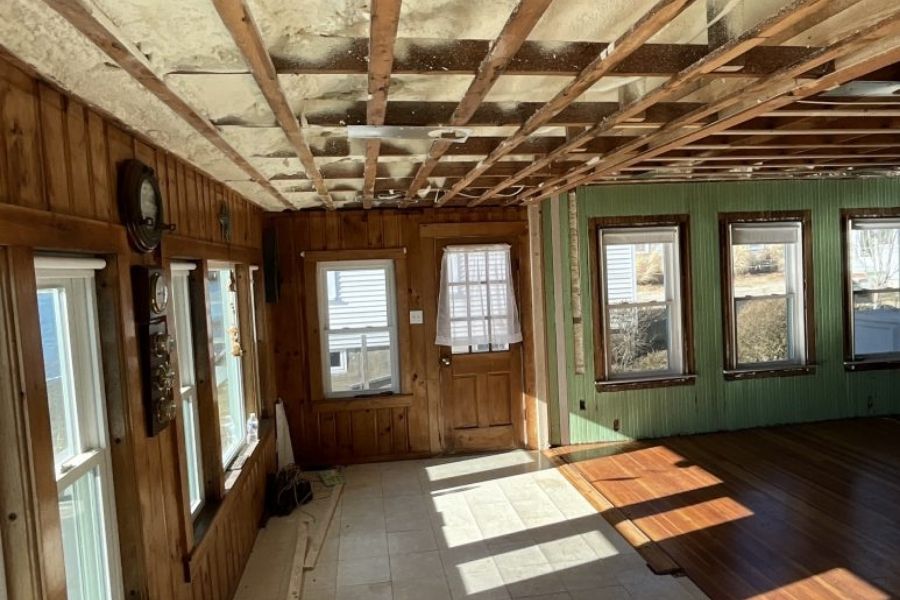
Pro damage reports give adjusters the details they need to move a delayed claim forward.
One thing that trips people up: your insurer may split the claim. If a burst pipe was the covered event but mold grew because you waited, they might cover the pipe and water damage but not the mold. That’s why acting now still saves you money, even if you’re behind.
How Can a Restoration Company Help After a Late Report?
A restoration pro brings something you can’t create on your own: independent, detailed damage records. That kind of third-party proof carries real weight with adjusters, especially when a report was delayed.
At RestoreNow, here’s what we do for homeowners in this spot:
- Full damage assessment. We check what you can see and what’s hiding behind walls, under floors, and in crawl spaces.
- Clear estimates and scoping. We build line-by-line records that adjusters need to approve the scope of work.
- Start-to-finish coordination. We work with our trusted licensed partners for any emergency mitigation, then handle the structural reconstruction and restoration ourselves.
The National Association of Insurance Commissioners calls solid records one of the biggest factors in any claim outcome. That’s true whether you filed on day one or day thirty.
If you’re in the Braintree area or anywhere on the South Shore and Southeastern Massachusetts, we’ve worked with homeowners who were weeks behind on reporting. Late reports happen. What matters most is what you do next.
A Late Report Doesn’t Mean It’s Over
Whether you waited a week or a few months, RestoreNow can help you document the damage, start the restoration, and build the case your insurer needs. Serving the South Shore and Southeastern Massachusetts.
Frequently Asked Questions
Is there a deadline to file a homeowners insurance claim?
Most policies say “prompt” or “timely” but don’t set a hard deadline in days. In Massachusetts, you generally have up to six years from the date of loss. That said, sooner is always better. Delays of a few weeks are usually fine, while months of waiting will raise more questions from your adjuster.
Will my claim get denied just because I reported it late?
Not by default. Insurers look at why the delay happened, whether it made things worse, and how well you documented everything. A good reason for the gap, combined with solid records, gives you the best shot at approval.
Can a restoration company still help if I waited weeks to deal with damage?
Yes. A restoration pro can assess the current damage, build detailed records, and create estimates that give your adjuster what they need. That third-party report often makes the biggest difference in a delayed claim.
What’s the difference between sudden and gradual damage for insurance?
Sudden damage happens fast, like a pipe bursting or a storm pulling off shingles. Gradual damage builds over time, like a slow roof drip that’s been going for months. Most policies cover sudden damage but not gradual wear. When you report late, your insurer will try to figure out which one applies.