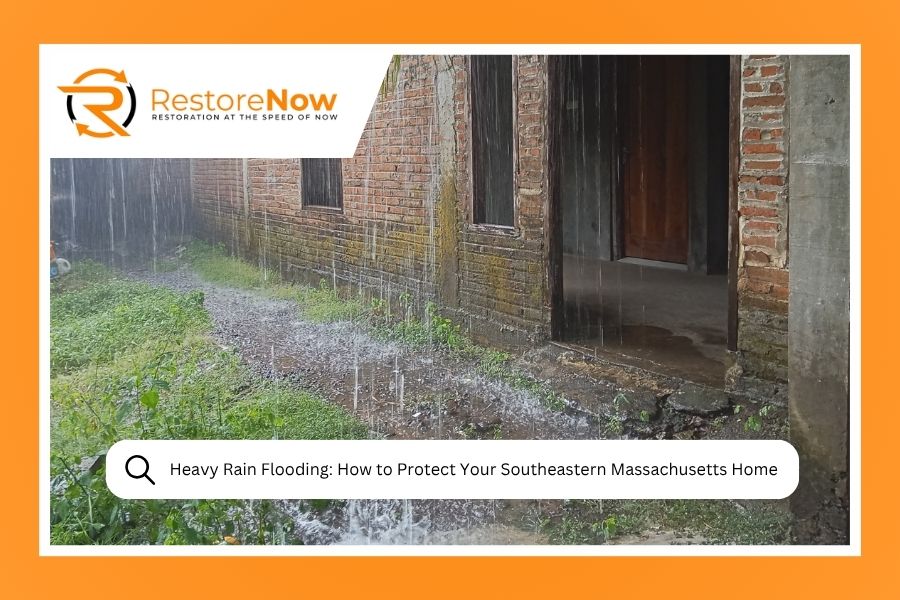
Heavy Rain Flooding: How to Protect Your Southeastern Massachusetts Home
Heavy rain flooding is one of the top causes of home damage on the South Shore. It hits fast, usually with little warning. At RestoreNow, we’ve walked through hundreds of flooded basements and rain-damaged homes across Southeastern Massachusetts. What we keep finding: most of the damage was preventable. This guide covers where water gets in, what to do before the next storm, and how to respond after rain wins. Our water damage restoration services cover the full scope of repairs from start to finish.
Storm coming? Already dealing with the damage?
We’re available 24/7 with 30-60 minute response times across Southeastern Massachusetts. Call (781) 303-9930 anytime.
Why the South Shore Gets Hit So Hard
The South Shore sits in the path of nor’easters, tropical storms, and slow-moving systems that park over the coast and dump rain for hours. NOAA’s National Weather Service in Boston reports that coastal Massachusetts gets 45-50 inches of rain per year, with peak storm season in fall and late spring.
The soil here is clay-heavy. It saturates fast and can’t take on more water once it’s full. Combine that with aging storm drains and the fact that most South Shore homes have basements, and you have a region where heavy rain flooding is one of the most predictable problems a homeowner faces.
Where Rain Gets Into Your Home
Most basement flooding doesn’t come through the front door. Water finds smaller gaps, and those are much harder to catch before damage is already done.
Basement and Foundation Entry Points
- Window wells: They fill fast during heavy rain and push water against basement windows.
- Foundation cracks: Even small cracks move a lot of water during a hard, sustained downpour.
- The cove joint: The seam between your foundation wall and floor slab is one of the most common water entry points.
- Overwhelmed sump pumps: A big storm can outpace a standard pump quickly. Read our breakdown of signs your sump pump is failing before storm season hits.
Above-Grade Entry Points
- Clogged gutters: Packed debris causes overflow that dumps water directly against the foundation.
- Roof penetrations: Chimneys, dormers, and skylights are frequent leak spots, especially on older roofs.
- Worn window and door seals: Old caulking and weatherstripping let in more water than most people expect.
- Poor grading: If the soil around your house slopes toward the foundation, that’s where rain goes.
Pre-Storm Protection Checklist for South Shore Homeowners
You can’t stop rain from falling. But you can make your home much harder to flood. Run through this list before storm season and after any major warning.
South Shore Pre-Storm Prep: 8-Point Checklist
- Clean gutters and downspouts, especially after fall leaf drop
- Extend downspouts at least 6 feet from the foundation
- Test your sump pump by pouring water into the pit
- Add a battery backup to your sump pump before storm season
- Clear window well drains and check the frames for cracks
- Check basement windows and door seals for worn caulking or gaps
- Walk the foundation and confirm soil grades away from the house
- Inspect roof flashing at chimneys, dormers, and skylights
What Happens Inside Your Home During a Flooding Event
Water moves through building materials faster than most people expect. Within hours, it wicks up drywall, soaks into insulation, and saturates floor joists without showing on the surface.
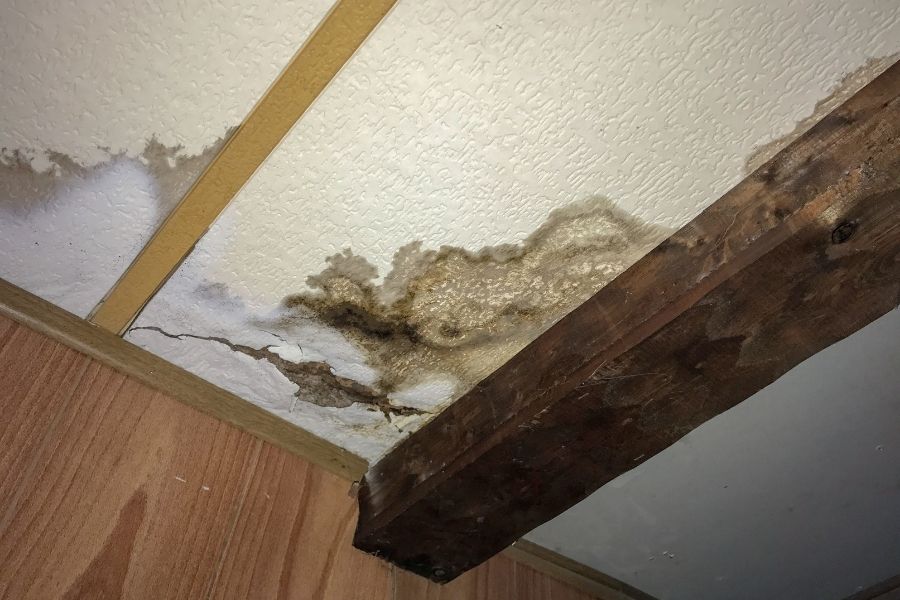
Ceiling damage from roof leaks is tricky. A small water stain often means moisture has been sitting behind the drywall for a while. Speed matters a lot here. That’s why our team at RestoreNow coordinates storm cleanup through trusted licensed partners before stepping in to handle the structural restoration that follows.
After the Storm: What to Do First
The choices you make in the first few hours shape how bad the damage gets. Here’s what works and what doesn’t.
Do These Things Right Away
- Document before you touch anything. Photos and video are your best proof for an insurance claim.
- Cut power to flooded areas if you can reach the breaker panel safely.
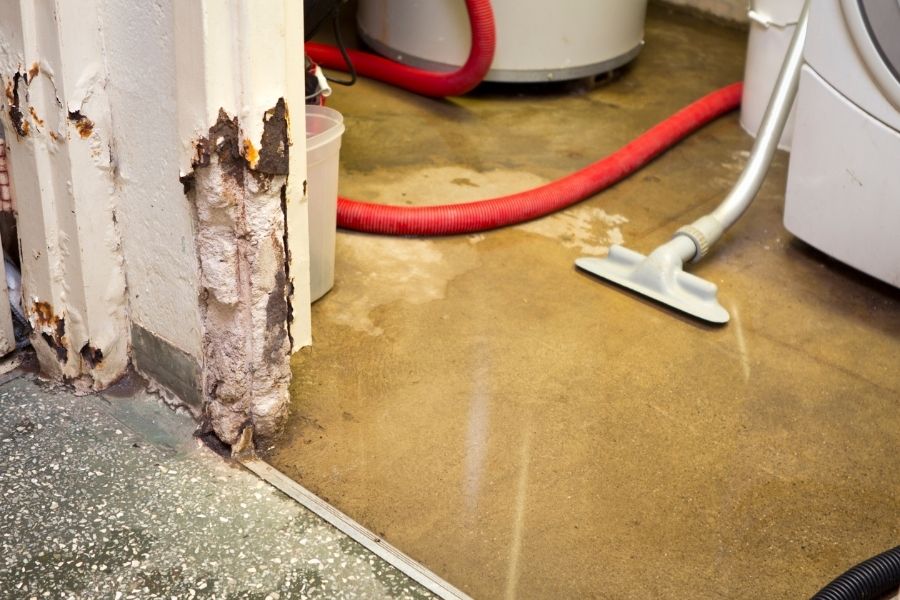
- Call a professional fast. Our guide on how to dry out a flooded basement explains why household fans fall short and what real drying equipment actually does.
Avoid These Common Mistakes
- Don’t run fans on wet drywall or flooring. This spreads moisture into nearby materials and makes the problem bigger.
- Don’t wait to call for help. Mold can begin forming within 24-48 hours. That window is short.
- Don’t assume a small stain means small damage. Surface staining rarely tells the full story.
When water reaches framing, subfloor, or structural parts of the home, full property reconstruction may be needed. RestoreNow handles that work directly, managing everything from documentation to final repairs.
Dealing with rain damage right now?
RestoreNow covers the South Shore and Southeastern Massachusetts with 24/7 availability and 30-60 minute response times. Call (781) 303-9930.
South Shore Flooding Quick Reference
Here’s a fast look at the most common rain flooding entry points, what causes them, and how preventable they are.
| Entry Point | Common Cause | Preventable? |
|---|---|---|
| Basement window wells | Clogged drain, no cover | Yes, with cover and clear drain |
| Foundation cracks | Age, settlement, hydrostatic pressure | Partially, with sealing |
| Sump pump overflow | Undersized pump or power loss | Yes, with battery backup |
| Roof and ceiling leaks | Failed flashing, aging materials | Yes, with routine maintenance |
| Surface runoff toward foundation | Poor grading, saturated soil | Partially, with regrading |
For more on how major storms affect South Shore homeowners and insurance claims, our post on weather events and catastrophic claims breaks it down in plain terms.
Frequently Asked Questions
Does homeowners insurance cover heavy rain flooding in Southeastern Massachusetts?
Standard homeowners insurance does not cover flooding from rising external water. It may cover sudden, accidental damage from a burst pipe or roof leak. For ground-level flooding, a separate policy through FEMA’s National Flood Insurance Program is usually required. We help homeowners document damage so their adjuster has what they need to move the claim forward.
How fast can heavy rain flooding damage a South Shore home?
Faster than most people expect. Drywall absorbs moisture almost immediately, and mold can start forming within 24-48 hours in warm, wet conditions. The longer materials sit wet, the more the repairs cost. Quick response genuinely changes outcomes.
What is the difference between flood damage and rain water damage for insurance purposes?
In insurance terms, flooding usually means water from a rising external source affecting multiple properties. Damage from a roof leak, failed window seal, or overflowing sump pump is a different category and may fall under a standard homeowners policy. That distinction matters for how a claim is filed and what’s covered.
Can I dry out a rain-flooded basement on my own?
Small amounts of water on a concrete floor can sometimes be handled with a wet vac. But if water reached drywall, insulation, carpet, or wood framing, you need professional equipment to pull moisture out of those materials, not just the surface. Running household fans on wet walls spreads moisture and makes the damage worse.