Pre-Existing Damage: What’s Covered and What’s Not?
Jump To:
You just discovered water pooling under your kitchen sink. Your insurance adjuster shows up, inspects the area, and drops the dreaded phrase: “This looks like pre-existing damage.” Suddenly, you’re worried about whether your claim will be denied. Understanding what counts as pre-existing damage, and what your insurance actually covers, can save you thousands of dollars and massive headaches when dealing with water damage restoration or other property repairs.
At RestoreNow, we’ve seen countless South Shore homeowners navigate this tricky territory. The good news? Most legitimate damage claims do get covered when properly documented. Let’s break down what you need to know.
What Counts as Pre-Existing Damage?
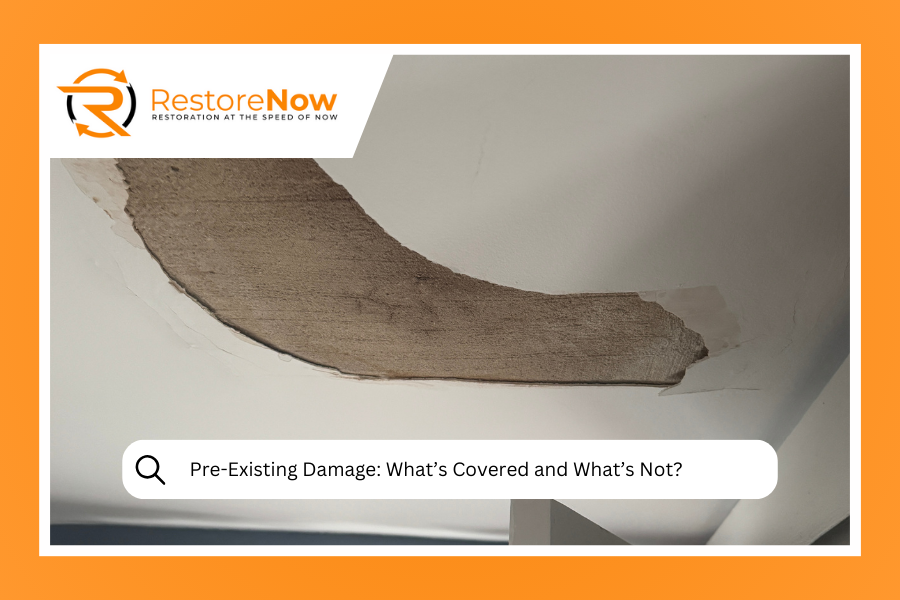
Pre-existing damage is any deterioration or problem that existed before your current insurance claim event. Insurance companies look for evidence that damage was already present, not caused by a sudden, covered incident.
Think of it this way. If your basement has shown water stains for months and you finally file a claim after a heavy rain, that’s pre-existing. But if a pipe bursts tonight and floods your previously dry basement, that’s a covered event.
Common examples include old water stains that have been visible for weeks, deteriorating caulking around windows that’s been ignored for years, or slow leaks that gradually damaged drywall over months. According to the Insurance Information Institute, insurers expect homeowners to maintain their properties and address issues as they arise.
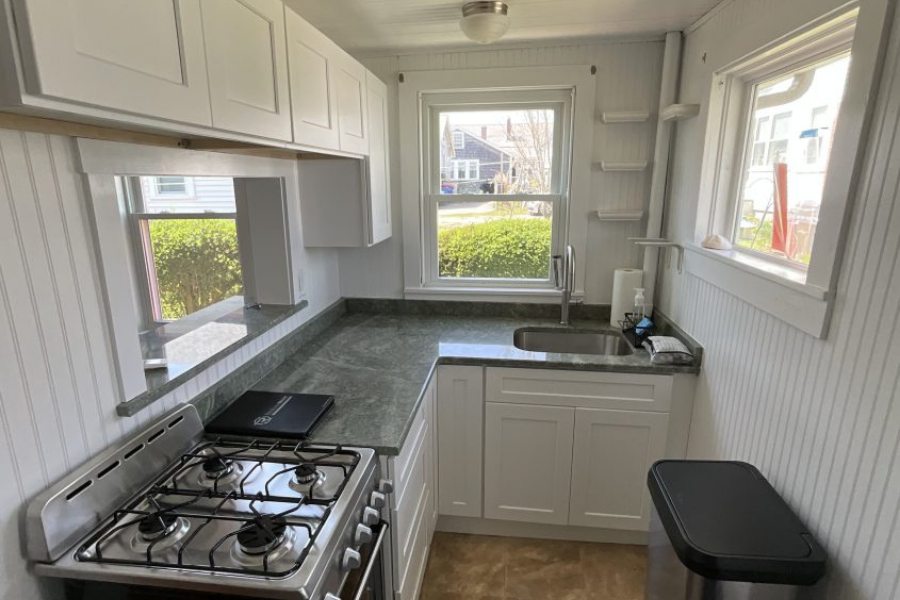
Fresh water damage requires immediate documentation to establish the timeline of the incident.
Insurance Coverage Basics: The Sudden and Accidental Rule
Most homeowners insurance policies cover “sudden and accidental” damage. That’s the magic phrase. Your policy protects you from unexpected events like burst pipes, appliance failures, or fire damage, not gradual deterioration from neglect.
Here’s where it gets interesting. Insurance covers the immediate damage from a covered event but not the underlying maintenance issue that caused it. A frozen pipe that bursts? Covered. The fact that you never insulated your pipes in an unheated crawl space? That’s on you.
Not Sure If Your Damage Will Be Covered?
We help South Shore homeowners navigate the claims process by thoroughly documenting damage and preparing detailed estimates that insurance companies need. Our team knows what insurers look for and can help you understand your options.
What’s Typically Covered: Sudden Events and Their Restoration
Understanding what insurance covers helps you know when to file a claim. These scenarios usually qualify for coverage when the damage happens suddenly.
Burst Pipes and Plumbing Failures
When pipes burst from freezing temperatures or age-related failure, the resulting water damage from plumbing failures is covered. Your insurer pays for extracting water, drying structures, and restoring damaged materials. However, they won’t pay to replace the old pipe that burst, just to fix the mess it created.
Appliance Leaks and Malfunctions
A washing machine hose that suddenly splits open, a water heater that fails catastrophically, or a dishwasher that overflows counts as covered damage. With our trusted partners, we’ll oversee emergency water extraction and drying, and then be there to restore your home at the speed of now. The key is proving the malfunction was sudden, not the result of ignoring maintenance warnings.
Weather-Related Incidents
South Shore Massachusetts homes face unique weather challenges. Hurricane damage, ice dams causing roof leaks, and wind-driven rain through broken windows typically qualify for coverage. Your policy should cover both emergency response coordination and the structural reconstruction that follows.
| Damage Type | Usually Covered | Usually NOT Covered |
|---|---|---|
| Water Damage | Burst pipes, appliance failures, sudden roof leaks | Slow leaks ignored for months, poor maintenance, flooding from outside sources |
| Fire Damage | Accidental fires, electrical malfunctions, kitchen fires | Intentional fires, arson, fires from code violations |
| Mold | Mold resulting from covered water damage event | Mold from ongoing humidity, poor ventilation, or neglected leaks |
| Structural Issues | Damage from covered events (storms, fires, sudden impacts) | Age-related deterioration, settling, wear and tear |
Fire and Smoke Damage
Accidental fires are covered events. Insurance handles the emergency response, soot removal coordination, and all restoration work needed to rebuild your home. At RestoreNow, we coordinate with licensed environmental partners for any necessary smoke remediation, then handle the structural repairs and restoration that follow.
What’s Usually Not Covered: Maintenance and Gradual Damage
Insurance isn’t a maintenance plan. Certain types of damage fall outside policy coverage because they result from neglect or normal wear over time.
Gradual Leaks and Long-Term Issues
That slow drip under your sink that you’ve been meaning to fix? Not covered. Water damage in your basement from a crack that’s been leaking for months? Also not covered. Insurers expect you to address problems promptly.
The timeline matters enormously. A leak that develops today and causes damage by tomorrow gets covered. That same leak ignored for six months becomes maintenance neglect.
Deferred Maintenance Issues
Normal wear and tear doesn’t qualify for coverage. Old caulking around your bathtub that finally fails after years, a roof that’s past its lifespan and develops leaks, or windows with deteriorated seals won’t trigger insurance payouts. These are homeowner responsibilities.
Mold from Poor Ventilation
Mold developing from chronic humidity or poor bathroom ventilation isn’t covered. But mold that grows after a covered water damage event? That’s different. With our licensed environmental partners, we coordinate any necessary mold testing or remediation, and then RestoreNow is there to handle the structural repairs and restoration that follow.
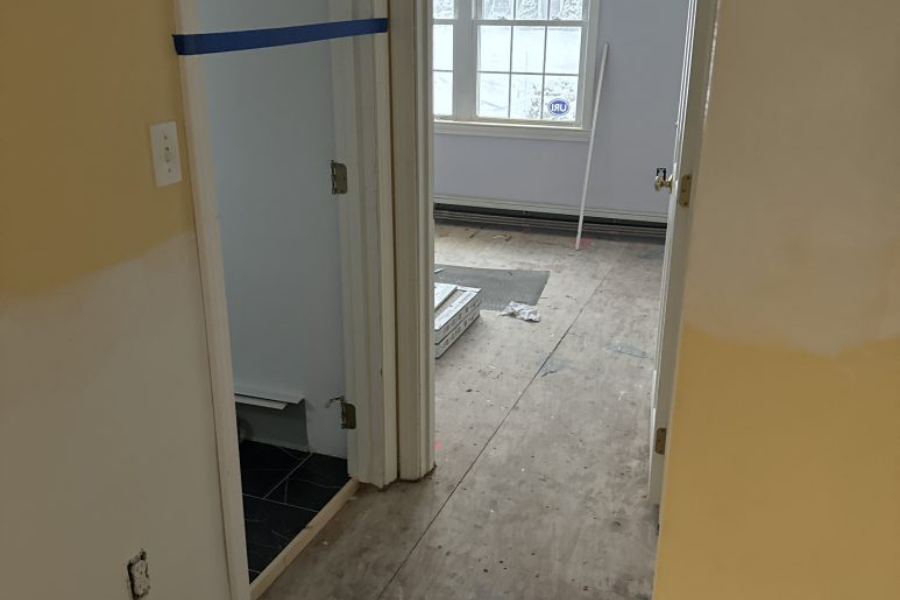
Professional restoration work begins once insurance approves the scope of repairs needed.
How to Document Damage Properly
Proper documentation makes the difference between a smooth claims process and a denied claim. Here’s what you need to do the moment you discover damage.
Immediate Steps After Discovering Damage
Take photos and videos immediately. Capture wide shots showing the entire affected area, then close-ups of specific damage. Include timestamps if possible. Document water sources, visible damage patterns, and any affected belongings.
Note the date and time of discovery. Write down when you first noticed the problem. If you heard the pipe burst at 3am, record that. If you came home to find water pooling, note your arrival time. This establishes the “sudden” nature of the incident.
Stop additional damage when safe. Turn off water sources if applicable. Remove valuables from affected areas. Open windows for ventilation if dealing with smoke or odors. FEMA recommends taking reasonable steps to prevent further damage, which your policy likely requires.
Working with Restoration Professionals
We make the process easier by thoroughly documenting the damage, preparing detailed estimates, and providing the information your insurance company and adjuster need to move the claim forward. We know what insurers look for and make sure the scope of work we propose matches the repairs that are actually needed.
We take that administrative burden off your shoulders. You’re already dealing with the stress of property damage. Let us handle the documentation, coordination, and restoration while you focus on getting back to normal.
Documentation Checklist
- Photos: Wide shots and close-ups of all damage
- Timeline: Date, time, and circumstances of discovery
- Video: Walk-through showing extent of damage
- Receipts: Any emergency repairs or materials purchased
- Communication log: Record of all insurer conversations
- Professional estimates: Detailed scope of needed repairs
When Restoration Work Gets Approved
Understanding the claims timeline helps set realistic expectations. Most straightforward claims move through approval within one to two weeks, though complex situations take longer.
The Initial Claim Filing
Contact your insurance company immediately after discovering damage. They’ll assign an adjuster who’ll inspect the property within a few days. During this inspection, the adjuster determines whether damage qualifies as a covered event or pre-existing condition.
This is where our documentation comes in. The more evidence you provide showing sudden damage rather than gradual deterioration, the smoother your approval process.
Emergency Services vs Full Restoration
Most policies allow emergency mitigation to begin immediately to prevent additional damage. With our trusted partners, we’ll oversee emergency water extraction and drying right away. Full restoration approval may take longer as the insurer reviews estimates and determines coverage amounts.
We coordinate the entire process from emergency response through complete restoration. Our team manages relationships with licensed mitigation partners while handling all structural repairs and rebuild work directly. Understanding your South Shore insurance coverage helps you know what to expect at each stage.
Common Delays and How to Avoid Them
Claims slow down when documentation is incomplete or when questions arise about whether damage was sudden or gradual. Avoid delays by responding quickly to adjuster requests, providing all requested photos and information, and working with restoration professionals who understand insurance requirements.
If you’re dealing with winter water damage or frozen pipe issues common in Hanover and surrounding areas, acting fast helps both your claim and your home.
Frequently Asked Questions
How do adjusters determine if damage is pre-existing or new?
Adjusters look for physical evidence like old water stains with visible rings, deteriorated materials showing age, rust or corrosion patterns indicating long-term exposure, and documentation from home inspections or previous repairs. They compare fresh damage (clean breaks, bright coloring, no weathering) against aged damage. Your photos taken immediately after discovering the problem provide critical timeline evidence. The adjuster also considers your maintenance history and whether you reported or addressed warning signs promptly.
Can I still get coverage if I didn’t know about the pre-existing damage?
Yes, if you genuinely weren’t aware of the problem. Hidden damage behind walls, under floors, or in crawl spaces may qualify for coverage even if it started before you discovered it. The key is proving you had no reasonable way to know about the issue and that a covered event brought it to light. For example, a slow leak hidden in your walls that suddenly causes visible damage when a pipe finally bursts may be covered. Document everything immediately upon discovery and explain the circumstances clearly to your adjuster.
Will filing a claim for pre-existing damage raise my premiums?
Filing a claim that gets denied for pre-existing damage typically won’t raise your premiums since no payout occurred. However, approved claims do affect your insurance history and may impact future rates or renewal terms. This is why proper documentation proving sudden damage is so important. If you’re unsure whether damage qualifies as a covered event, consult with restoration professionals who understand insurance requirements before filing. We can help you assess whether a claim makes sense for your situation.
What happens if my claim is partially denied due to pre-existing conditions?
Partial denials happen when some damage results from a covered event while other damage stems from pre-existing conditions. For instance, a burst pipe might cause fresh flooding (covered) in an area that also shows old water stains from previous leaks (not covered). Your insurer will itemize which repairs they’ll cover and which they won’t. You’ll receive payment for covered portions and be responsible for pre-existing damage repairs. RestoreNow can help you understand the breakdown and provide estimates for both covered and non-covered work so you know your total costs upfront.
Need Help with Property Damage in South Shore MA?
RestoreNow has been helping Hanover, Marshfield, Rockland, and surrounding South Shore communities navigate property damage and insurance claims for over three years. Our team coordinates emergency response with trusted partners and handles all restoration and reconstruction work directly.
We’re available 24/7 with 30-60 minute response times because we know damage doesn’t wait for business hours. Whether you’re dealing with water damage, fire damage, or need property reconstruction, we’re here to help at the speed of now.
Contact our team today for a professional assessment of your property damage.