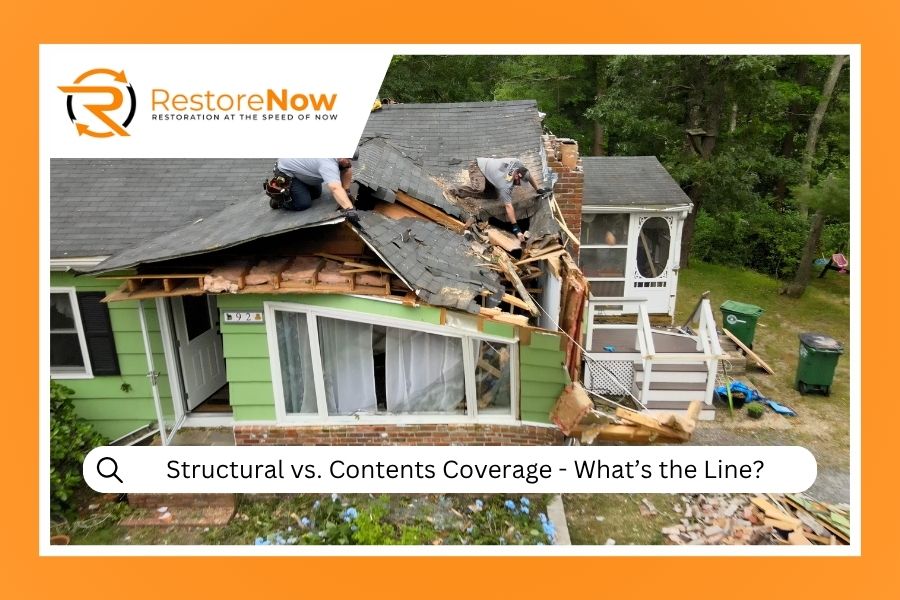
Structural vs. Contents Coverage – What’s the Line?
When your home takes a hit from water, fire, or a storm, your insurance policy splits the damage into two distinct categories: what happened to the building and what happened to your stuff. That split, structural versus contents coverage, controls how your claim gets calculated and paid out.
In practice, it surprises a lot of homeowners. At RestoreNow, we help South Shore homeowners navigate property damage claims every week. Whether it’s water damage restoration after a burst pipe or storm-related destruction, knowing where this line falls before you file can make a real difference in your payout.
Not sure how to approach your claim?
Our team at RestoreNow handles detailed damage documentation before work starts, so your claim has the strongest possible foundation.
What Is Structural Coverage?
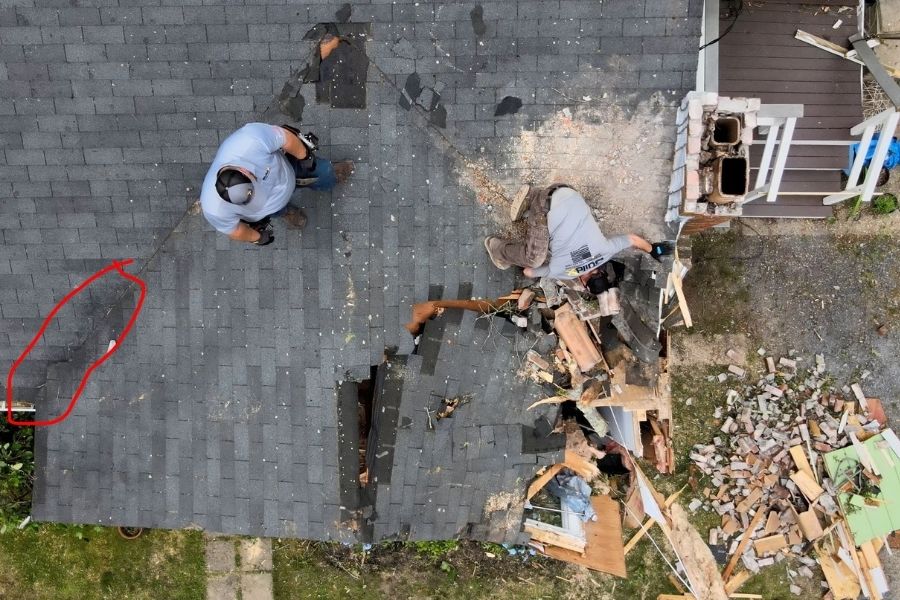
Structural coverage (also called dwelling coverage, or Coverage A on most policies) applies to the physical home itself. Think of it as everything that would stay behind if you packed up and moved out.
Standard dwelling coverage typically includes:
- Walls, ceilings, and floors, including the subfloor and framing beneath them
- The roof and foundation
- Permanently installed flooring such as hardwood, tile, and wall-to-wall carpet
- Built-in systems including plumbing, electrical wiring, and HVAC
- Permanently attached fixtures like sinks, bathtubs, and built-in cabinetry
- Attached structures such as garages, decks, and covered porches
Most policies cover structural damage from sudden, accidental events: burst pipes, fire, and storm-driven rain are the most common examples in this region. Gradual deterioration from deferred maintenance is usually a different story. We dig into that distinction in our piece on pre-existing damage and what’s covered.
What Is Contents Coverage?
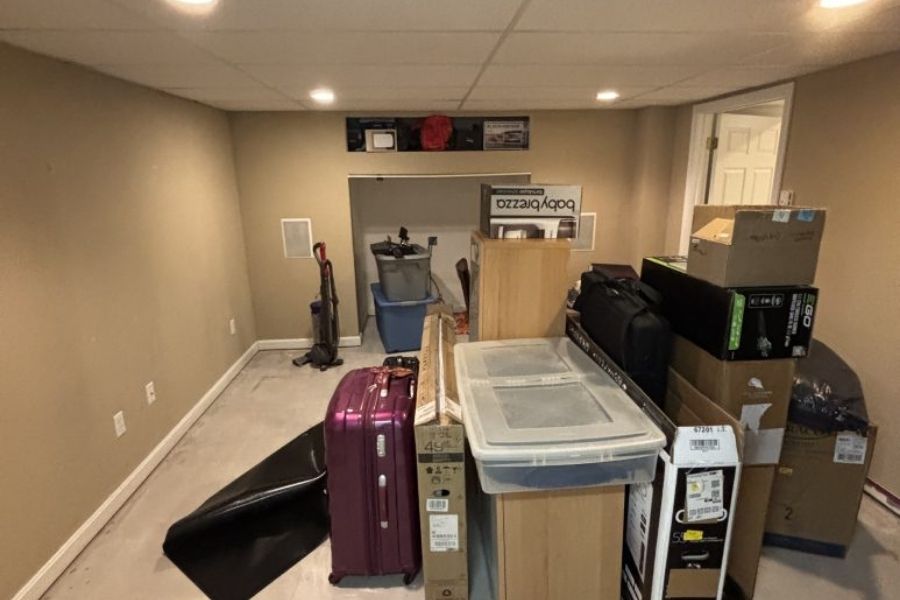
Contents coverage (Coverage C) applies to your personal property: everything you’d take with you when you move. That’s your sectional sofa, your laptop, your kid’s bicycle in the garage, and most things in between.
A standard personal property policy typically covers:
- Furniture, clothing, and bedding
- Electronics that aren’t permanently installed in the home
- Freestanding appliances like refrigerators and washing machines
- Tools, sporting equipment, and collectibles
- Items stored in your basement, closets, or attached garage
According to the Insurance Information Institute, most homeowners carry contents coverage equal to 50% to 70% of their dwelling coverage limit. Whether your policy pays at actual cash value (ACV) or replacement cost value (RCV) affects that number significantly, and it’s worth knowing before you’re ever in a position to file.
The Gray Zone: Items That Sit Right on the Line
This is where most homeowners get caught off guard. Some items sit right on the line between structure and personal property, and the classification can swing thousands of dollars in a claim.
| Item | Typically Classified As | Why It Gets Complicated |
|---|---|---|
| Wall-to-wall carpet | Structural | Permanently installed as part of the floor |
| Area rugs | Contents | Removable personal property |
| Built-in dishwasher or oven | Structural | Integrated into home systems |
| Freestanding refrigerator | Contents | Not permanently attached to the home |
| Custom built-in cabinetry | Structural | Built into the permanent structure |
| Freestanding shelving | Contents | Removable without causing structural damage |
| Ceiling fans | Structural | Hardwired to the electrical system |
| Window treatments (drapes, blinds) | Varies by policy | Policy language varies by carrier |
If removing it would damage the home, it’s structural. If you can take it without leaving a mark, it’s probably contents. Your declarations page is the authoritative source.
Quick Check: Structure or Contents?
|
Likely Structural (Coverage A)
|
Likely Contents (Coverage C)
|
When you’re not sure, document it thoroughly before restoration begins.
Why the Distinction Matters When You File a Claim
Structural and contents damage are handled differently in a claim, sometimes by separate adjusters, and always under separate coverage limits. This isn’t just a paperwork detail. It has real financial consequences.
If your adjuster classifies built-in cabinetry as personal property, that amount draws from your Coverage C limit, leaving less room for your actual belongings. Misclassify in the other direction, and your payout for furniture and electronics may fall short of your real losses.
Depreciation works differently too. Structural items are depreciated based on the home’s age. Personal property is depreciated by the age of each item, so in an older home with newer contents, the gap can be significant.
This is why thorough documentation matters so much before any restoration work begins. Once damaged materials are removed from the property, it becomes much harder to argue for a different classification. The Massachusetts Division of Insurance also provides resources on policyholder rights, including how to formally dispute a claim decision if you believe items were miscategorized.
How RestoreNow Handles the Documentation
Getting the documentation right before work begins is one of the most important things a restoration contractor can do for a homeowner. Our team at RestoreNow creates detailed damage inventories that clearly separate structural damage from affected contents, with photos, condition notes, and itemized estimates for every area in scope.
We know what insurance companies look for. Whether we’re coordinating with our trusted mitigation partners on emergency response or managing property reconstruction work directly, our documentation is built to support your claim at every stage.
For complex situations where the structural versus contents line is genuinely disputed, we also connect homeowners with licensed public adjusters who can advocate on their behalf.
It’s worth reading our full guide to understanding your homeowners insurance declaration page before your next claim conversation, and if water damage is involved, our breakdown of whether water damage is covered under a South Shore, MA homeowners policy.
Start your claim with documentation that holds up.
RestoreNow serves homeowners across the South Shore and Southeastern Massachusetts, available 24 hours a day, 7 days a week.
Frequently Asked Questions
Is wall-to-wall carpet covered under structural or contents coverage?
Wall-to-wall carpet is typically structural because it’s permanently installed. Area rugs are contents since they’re removable personal property. Policy language varies by carrier, so verify with your declarations page before assuming either way.
What can I do if my adjuster classifies an item differently than I expected?
You have the right to dispute a classification. Your contractor can provide photos and itemized estimates to support a reclassification. For larger disputes, a licensed public adjuster can advocate on your behalf with the insurer.
Are freestanding appliances like refrigerators covered under homeowners insurance?
Freestanding appliances like refrigerators and washing machines are generally covered as personal property under contents coverage (Coverage C). Built-in appliances like dishwashers and ovens are typically structural. Review your Coverage C limit to understand your payout ceiling for major appliances.
How does RestoreNow help with structural versus contents documentation?
Before any work begins, RestoreNow creates itemized damage inventories with photos, condition notes, and separate documentation for structural elements and affected contents. This organized record gives your insurance company and adjuster a clear, complete picture of everything that needs to be addressed under your claim.